Youngstown is one of those cities where the university doesn’t just exist—it actively shapes student life, neighbourhood rhythms, and even housing decisions. Academic calendars influence leasing cycles, daily movement, and where students naturally gather. The result is a city that feels genuinely student-aware rather than student-adjacent.
At the center of this ecosystem is Youngstown State University, the primary academic anchor of the city. Its presence drives student population flow, academic routines, and the overall pace of student life. Classes, research schedules, and campus activities quietly shape how students organise their weeks and choose where to live.
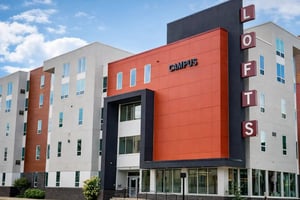
Because of this integration, proximity becomes a practical consideration rather than an obsession. Students aren’t trying to live on top of every lecture hall—they’re trying to protect time and energy. That’s why interest in campus apartments stays consistent. Students want housing that supports efficient routines without sacrificing comfort or focus during heavy academic periods.
Academic culture in Youngstown values consistency and applied learning. Students are encouraged to engage deeply with coursework, collaborate on projects, and build skills gradually. This mindset carries over into housing decisions. Living environments that support sleep, structure, and focus tend to outperform anything designed around constant stimulation.
Upper-year and graduate students add another layer to the academic landscape. These students usually prioritise quieter surroundings, longer-term leases, and stability. Their needs reinforce steady demand for housing that supports routine and predictability, which helps explain the continued appeal of Youngstown student apartments among students further along in their academic journey.
Another advantage of Youngstown’s university environment is predictability. Enrollment remains relatively stable, which keeps housing demand steady rather than volatile. Students who understand this pattern feel more confident planning ahead, knowing that leasing cycles align with academics instead of sudden market swings.
Career preparation is closely tied to academic life here. Students often pursue research roles, internships, and academic-adjacent opportunities that require reliable schedules. Housing that supports these routines becomes a strategic choice rather than an afterthought. This is another reason campus apartments attract students who want to minimise daily friction while juggling multiple commitments.
Accessibility also matters for new students, especially those coming from out of state or different educational systems. Campuses blend into the city in a way that makes adjustment smoother. Students don’t feel isolated on an academic island—they grow into the city naturally as routines form.
Peer connections develop organically in this environment. Long study hours, shared academic pressure, and collaborative work create bonds that extend beyond classrooms. These relationships influence where students live, how they study, and how they balance social life with academic responsibilities.
Housing searches often circle back to efficiency and routine protection. Students aren’t chasing convenience for its own sake—they’re trying to preserve time, focus, and mental bandwidth. That’s why conversations around location, commute, and daily flow consistently shape student housing decisions in Youngstown.
House of Students understands how closely academic life and housing are connected here. By helping students compare options based on proximity, routine compatibility, and long-term comfort, the platform supports leasing decisions that align with academic goals rather than working against them.
Ultimately, popular universities in Youngstown don’t just educate—they structure student life. Their influence creates a housing ecosystem that’s stable, student-focused, and predictable. For students who value balance, clarity, and steady progress, Youngstown offers an academic environment that supports growth without unnecessary chaos