
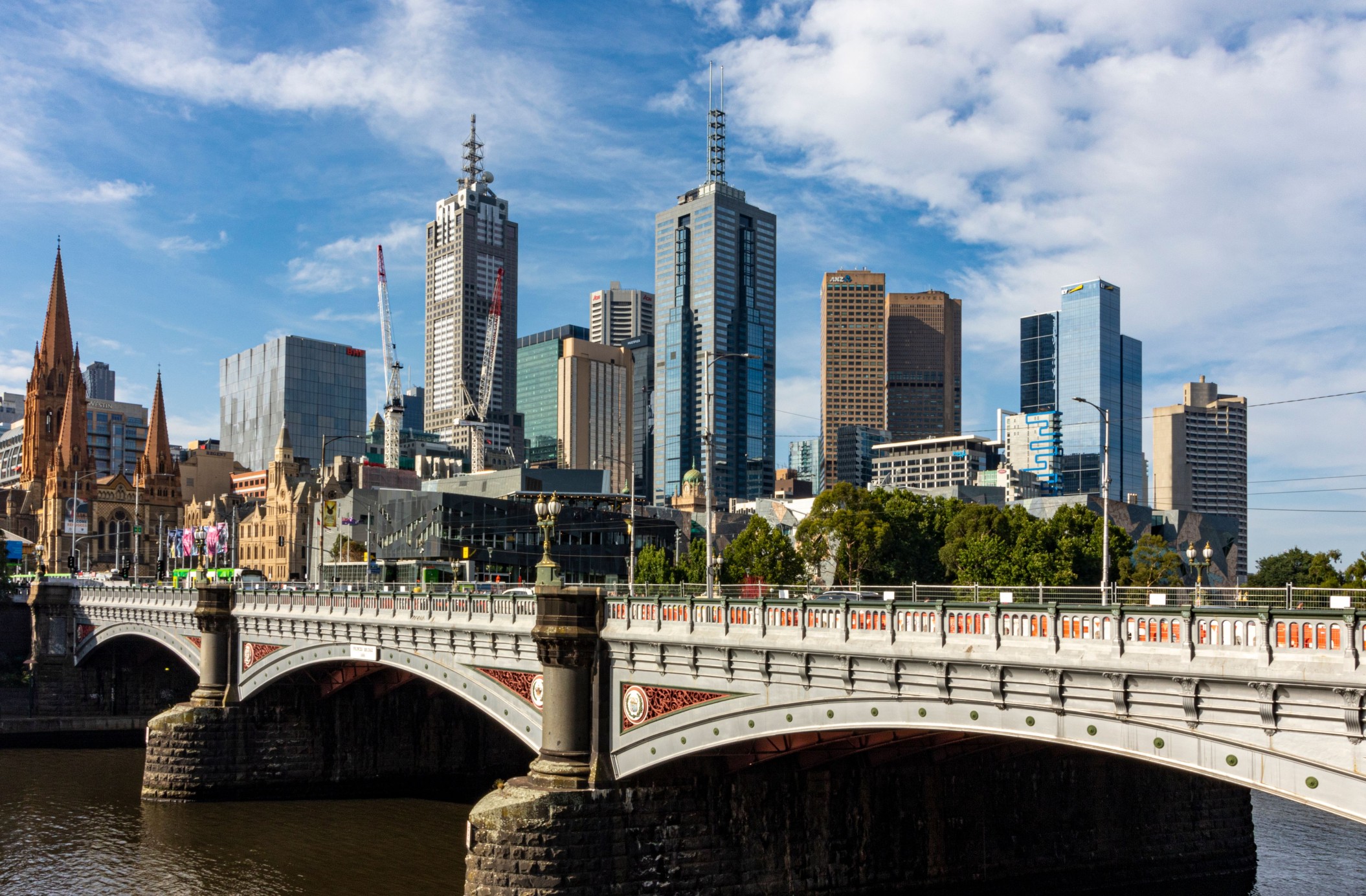
Cost of Living in Melbourne for Students (2026): Complete Budget Guide
Working out the cost of living in Melbourne is an important part of preparing for university, particularly for students moving from another Australian city or arriving from overseas. Melbourne has a large student population, several major universities and a well-connected public transport system, but rent remains a significant part of the monthly budget.
A single student can expect to spend roughly AUD 1,540 to AUD 2,800 per month on accommodation, food, transport, utilities and everyday spending. Once rent is taken out, basic monthly expenses can fall around AUD 1,240 to AUD 1,745, depending on food habits, transport requirements and personal spending.
That puts annual living costs at approximately AUD 18,500 to AUD 33,600. The actual figure can move quite a bit in either direction. A student sharing a house near campus and cooking most meals at home will have a very different budget from someone renting a private studio and eating out regularly.
Table of Contents
1. Overview of Student Living Expenses in Melbourne
The Melbourne cost of living is shaped most heavily by accommodation. Rent usually takes the largest share of a student’s monthly budget, while groceries, transport, utilities and personal spending account for the rest.
Melbourne has several advantages for students trying to keep regular expenses under control. Shared accommodation is available across a number of inner and outer suburbs, while purpose-built student residences can bundle services such as electricity, water and Wi-Fi into the weekly rent. The city’s tram network can also reduce transport costs, particularly for students living and studying within the Free Tram Zone.
Routine expenses such as groceries and mobile plans are broadly comparable with other Australian cities. Housing is where the biggest difference usually appears.
Expense Category | Estimated Monthly Cost (AUD) | What Affects the Cost |
Accommodation | 1,850 | Location, room type and privacy |
Groceries & Food | 550 | Cooking habits and eating out |
Utilities & Internet | 300 | Whether bills are included in rent |
Public Transport | 180 | Distance, frequency and concession eligibility |
Mobile Plan | 50 | Data allowance and provider |
Personal & Miscellaneous | 300 | Entertainment, clothing and study expenses |
These figures are broad because students live in very different ways. Someone sharing a furnished apartment with bills included may spend considerably less than a student renting a private apartment and paying every household expense separately.
The best way to approach the living expenses in Melbourne is therefore to establish the fixed costs first. Rent, utilities and transport form the basic structure of the budget, while food and discretionary spending can be adjusted more easily from month to month.
2. Student Accommodation and Rent in Melbourne
Housing is usually the largest recurring expense for students in Melbourne. Rental prices change considerably between the CBD, inner suburbs and areas farther from the city centre, while proximity to university campuses also affects the amount students can expect to pay.
The main university precincts are spread across different parts of Melbourne. The University of Melbourne and RMIT are concentrated around the inner city, while Monash University’s main Clayton campus sits farther southeast and Deakin University’s Burwood campus is in Melbourne’s east.
Students looking for student accommodation in Melbourne can therefore choose between several housing arrangements. Shared houses and apartments generally have the lowest weekly rent, while private studios and one-bedroom apartments sit at the higher end.
Purpose-built student accommodation can also make monthly budgeting easier when services such as Wi-Fi, electricity, water and heating are included in the advertised weekly rate.
Housing Formats and Average Rental Rates
A private bedroom in a shared house or apartment in suburbs such as Footscray, Brunswick and Bundoora generally costs around AUD 200 to AUD 350 per week.
University residences and purpose-built student accommodation generally fall between AUD 300 and AUD 600 per week. The final price depends on whether the student has a shared room, private bedroom, private bathroom, or studio.
Students seeking more independence can consider a private studio or one-bedroom apartment. These generally cost around AUD 450 to AUD 750 per week, with properties in central and inner-city locations often sitting towards the higher end.
Accommodation Type | Average Weekly Rent (AUD) | Estimated Monthly Rent (AUD) | Utilities Included? |
Shared Apartment / House Room | 350 | 1,520 | Rarely included |
On-Campus University Housing | 550 | 2,380 | Frequently included |
Dedicated Student Accommodation (PBSA) | 600 | 2,600 | Usually included |
Private 1-Bedroom / Studio Unit | 750 | 3,250 | Rarely included |
The monthly figures are useful when building a budget, although accommodation is normally advertised as a weekly price. Students should also check the length of the agreement, bond requirements and any additional charges before comparing properties.
Shared Housing or Private Accommodation?
Shared housing can reduce the amount spent on rent considerably. A student renting one bedroom in a larger property also shares household costs such as electricity, gas and internet with other residents.
The trade-off is privacy. Kitchens, bathrooms and living areas may be shared, depending on the property and room arrangement.
Private accommodation costs more but gives the student their own living space. A studio can also make budgeting simpler because there are fewer shared household arrangements to coordinate.
The right comparison is not simply the cheapest weekly rent. Students should consider the room itself, included bills, distance from university, and the amount they expect to spend on transport each week.
Compare Melbourne student accommodation by rent, bills and distance from campus.
Household Utility Costs
If not included in the rent, utility expenses become an extra monthly expense.
Electricity and gas heating in shared houses in Melbourne can cost around AUD 80 to AUD 150 per person a month, especially in the winter months. The actual price will depend on the number of individuals sharing the property, the building, and home energy use.
When this expense is shared by housemates, unlimited home broadband might add from AUD 30 to AUD 50 per person, each month.
A regular SIM-only mobile plan with a good amount of data can usually be obtained for between AUD 20 and AUD 50 per month.
Students looking at rental properties should therefore look at the total monthly housing cost, rather than just the advertized weekly rent.
3. Food, Groceries and Dining Expenses
Another recurring cost of living in Melbourne is food. How much a student spends depends a lot on how often they cook, where they purchase, and how often they dine out.
If you do most of your own cooking, you should expect to spend around AUD 80 to AUD 140 per week on groceries, which is about AUD 350 to AUD 600 per month.
Common options around Melbourne include supermarkets like ALDI, Coles and Woolworths. Depending on where they live, students can also purchase at fresh food markets such as Queen Victoria Market in the CBD or Footscray Market.
Average Grocery Prices
Typical grocery prices give students a clearer idea of what a weekly shop might involve.
Item | Estimated Cost (AUD) |
Milk (1 litre) | 3.50 |
White Bread (500g loaf) | 4.50 |
Eggs (1 dozen) | 8.50 |
Chicken Breast (1 kg) | 16.00 |
A student spending AUD 80 per week on groceries will use roughly AUD 350 in an average month. At AUD 140 per week, the figure moves closer to AUD 600.
The difference can become substantial over an academic year. Planning meals before shopping, comparing prices and preparing several portions at once can help keep food spending closer to the lower end of the range.
Melbourne Cafe and Dining Costs
Melbourne’s cafe culture brings an additional cost to the monthly budget: coffee and casual eating.
A takeaway cappuccino or flat white will normally set you back between AUD 4.50 and AUD $5.50. Expect to pay around AUD 15 to AUD 22 for a casual lunch on a university campus, or around AUD 14 to AUD 18 for a fast food combo meal.
Meals at mid-range restaurants run from AUD 25 to AUD 40 per dish.
One-off, these prices don’t sound too bad, but the cost of regular café runs and takeaway dinners may add hundreds of dollars to monthly expenses. Students who wish to keep their food budget predictable may allocate a separate amount for eating out, rather than pulling from their shopping budget.
Markets and Lower-Cost Grocery Shopping
Melbourne markets give students another option for buying fresh food.
Queen Victoria Market is particularly convenient for students living around the CBD, while Footscray Market serves locals in the inner west. Pricing varies by product and vendor, so students can compare the market pricing with the supermarket prices before determining where to do their usual shopping.
There is also no need to depend on one supermarket for all your purchases. Sometimes you can save on your weekly grocery spend by shopping for essentials at a cheaper supermarket and fresh produce at a market.
4. Public Transport and Commuting Costs
Public transit is an important feature of student life in Melbourne, especially for students who live more than walking distance from their university.
The network includes trams, trains and buses, with fares handled by the Myki system. Melbourne’s transport arrangement also affords students a handy financial advantage in the central zone with the Free Tram Zone.
Free Tram Zone
The Free Tram Zone covers Melbourne’s central business district and extends to areas including Docklands and Queen Victoria Market.
Students travelling entirely within the zone do not need to pay a tram fare for those journeys. This can make a noticeable difference for students who live, study and socialise within the central area.
The benefit depends on the actual route. A journey that begins or ends outside the Free Tram Zone is subject to the applicable Myki fare.
Student Travel Concessions
Eligible tertiary students can access discounted public transport products, depending on their enrolment and circumstances.
International students at participating institutions may be eligible for the International Student Travel Pass (iTfare), while other students may qualify for a concession Myki arrangement.
For students paying for regular travel outside the Free Tram Zone, a monthly budget of around AUD 85 to AUD 180 is a useful starting range. That works out to roughly AUD 20 to AUD 45 per week, depending on the frequency and distance of travel.
Students should check their eligibility before budgeting around a concession. The rules depend on the student’s course, institution and travel product.
Transport and Accommodation Should Be Considered Together
Rent and transport are closely connected.
A student might save AUD 50 per week by choosing accommodation farther from campus, but that saving can be reduced by additional transport costs. The daily commute also takes time, which can matter during busy university periods.
Someone living close to campus may therefore spend more on rent but less on public transport. Someone farther out may have the opposite arrangement.
The useful figure is the combined weekly cost of rent plus commuting, rather than either expense in isolation.
Before choosing the cheaper room, compare student accommodation with your expected commute. The right option is the one that makes sense once rent and weekly travel costs are considered together.
5. Melbourne Compared With Sydney, London and the UK
The cost of living in Melbourne is easier to understand when compared with other major student destinations. Sydney is generally more expensive for accommodation, while London has substantially higher housing costs in many areas.
International students should still compare specific suburbs and accommodation types rather than relying solely on city-wide averages.
Is It Cheaper to Live in Sydney or Melbourne?
The figures used in this guide place Melbourne below Sydney for typical student living costs.
Housing accounts for much of the difference. Shared rooms and private accommodation in Sydney generally sit at higher weekly rates than comparable arrangements in Melbourne.
Transport can also affect the comparison. Melbourne’s Free Tram Zone reduces the cost of central tram travel, while eligible students can access specific concession products. International tertiary students in Sydney generally pay adult fares on most public transport services.
Expense Category | Melbourne | Sydney |
Shared Accommodation (Weekly) | 350 | 450 |
Private Studio (Weekly) | 750 | 850+ |
Monthly Transport | 180 | 210 |
General Monthly Student Budget | 2,800 | Higher range overall |
The difference for an individual student will depend on the suburb, university campus, room type and travel requirements.
Is Melbourne or London More Expensive?
The question “is Melbourne or London more expensive?” depends on the category being compared, but accommodation is generally a major point of difference.
A private one-bedroom property in inner London can cost substantially more than a comparable property in Melbourne. Public transport is also a significant expense in London, although the amount varies according to zones, travel frequency and the type of pass used.
Food prices can be closer between the two cities for some everyday products. Exchange rates also affect how the figures appear to an international student comparing costs in their home currency.
For someone choosing between the two cities, the useful comparison is the total monthly budget rather than rent alone.
Planning for Melbourne? See what student accommodation could cost within your budget.
Is It Cheaper to Live in the UK or Australia?
There is no single figure that applies to the whole of either country.
Regional UK cities such as Manchester, Sheffield and Leeds can have lower living costs than Melbourne or Sydney, while London occupies a very different price range. Australia also has relatively high wages, which changes the relationship between earnings and everyday expenses for students who are legally permitted to work.
A student comparing Australia with the UK should consider:
- Accommodation
- Food and groceries
- Public transport
- Healthcare and insurance
- University costs
- Permitted working hours
- Typical student wages
- Exchange rates
City / Location | Average Monthly Student Spend (AUD) | Relative Cost Level | Main Cost Driver |
Melbourne, Australia | 2,800 | Moderate-High | Housing & Utilities |
Sydney, Australia | 3,200 | High | Rent & Transport |
London, UK | 3,800 | High | Housing & Public Transport |
Manchester, UK | 2,300 | Moderate | Groceries & Heating |
These figures are broad budgeting ranges rather than fixed monthly bills. Accommodation type, location, and personal spending can move an individual’s expenses considerably above or below the stated ranges.
Ready to work out your Melbourne budget? Start by comparing student accommodation near your university, then build your remaining costs around the rent you choose.
Frequently Asked Questions
What is the monthly cost of living in Melbourne?
Students can expect to spend around AUD 1,540–2,800 per month.
What is the average student rent in Melbourne?
Shared accommodation costs around AUD 200–350 per week.
How much do groceries cost in Melbourne?
Students typically spend around AUD 350–600 per month on groceries.
What is the monthly transport cost in Melbourne?
Students may spend around AUD 85–180 per month on public transport.
Is Melbourne cheaper than Sydney?
Melbourne is generally cheaper than Sydney, particularly for accommodation.
Post a comment