
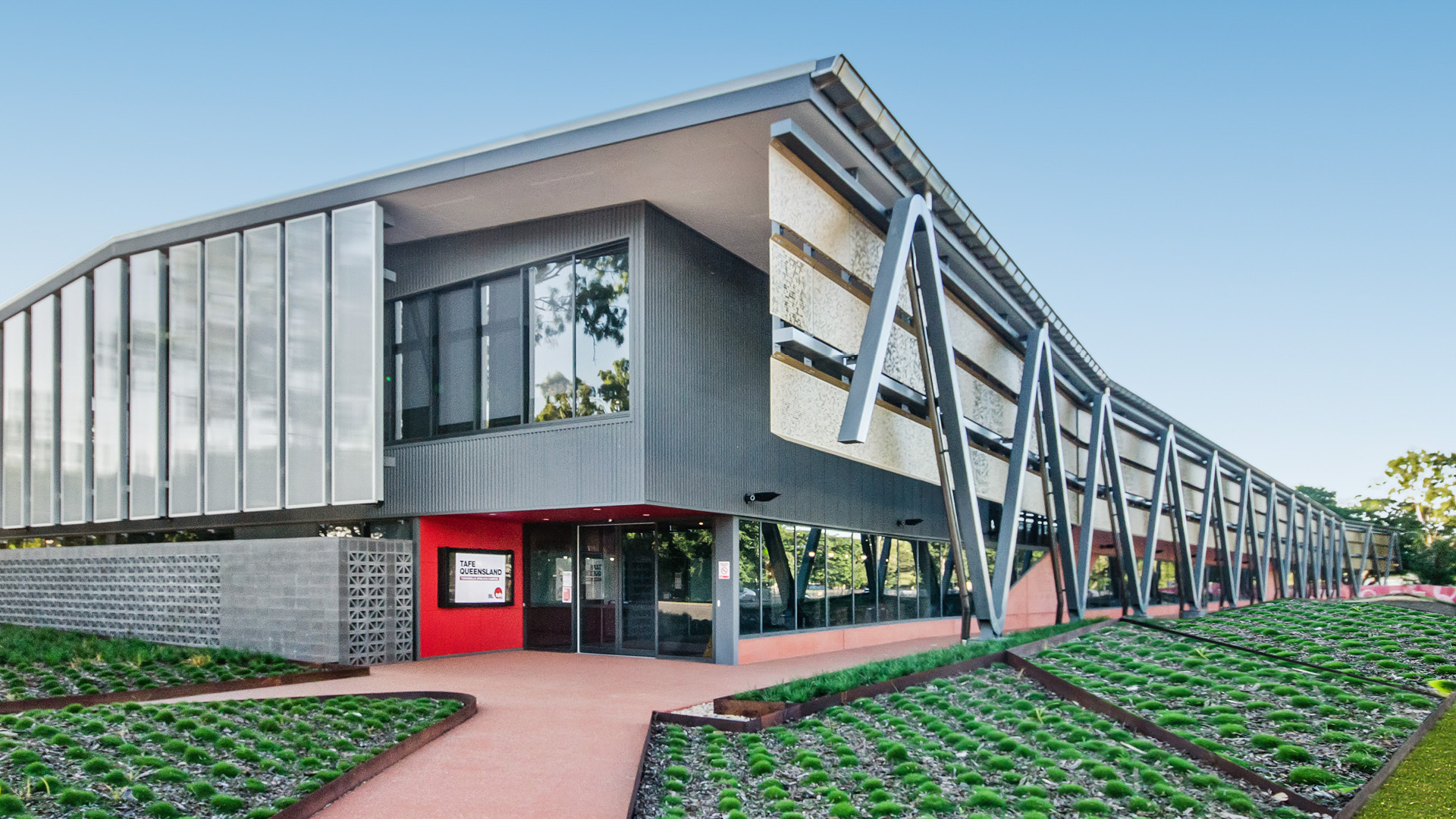
TAFE Queensland Courses: Most Popular Degrees for International Students (2027)
TAFE Queensland offers vocational diplomas for students who desire to train for a particular occupation or continue their education in a practical way. It offers courses in a range of subjects including nursing, information technology, early childhood education, hospitality and construction. Depending on the qualification, students can either enter the workforce after completing their studies or utilise it as a stepping stone to higher education.
For overseas students, the choice is more than just what subject to study. The duration of courses, the location of the campus, tuition fees and practical training requirements all affect the cost and organization of studying in Queensland. A one-year diploma is a different financial commitment than a three-year bachelor’s degree, for example.
TAFE Queensland courses for overseas students 2027 – learn more about popular study fields, approximate costs, course routes and government subsidised training. Please check the current course listing and tuition rates before applying since availability and pricing may change between intakes.
Table of Contents
TAFE Queensland Courses at a Glance
TAFE Queensland offers vocational qualifications at different levels, from certificates and diplomas to advanced diplomas and selected higher education programs. The appropriate option depends on your previous education and the type of work or further study you have in mind.
Study area | Qualification examples | Potential career paths |
Nursing | Diploma of Nursing | Enrolled nursing, subject to registration |
Information technology | Diploma of Information Technology | IT support, networking and systems administration |
Early childhood education | Diploma of Early Childhood Education and Care | Early childhood education and care |
Hospitality | Certificate IV in Commercial Cookery; Diploma of Hospitality Management | Commercial cookery and hospitality operations |
Civil construction | Diploma of Civil Construction Design | Civil drafting and construction design support |
These examples represent different vocational routes rather than a ranking of the most popular courses. Availability, entry requirements and delivery locations need to be checked for the intended 2027 intake.
1. How TAFE Queensland Courses Work
TAFE Queensland’s vocational courses focus on the knowledge and practical skills associated with particular occupations. Depending on the qualification, training may involve workshops, simulated workplace activities, technical assignments or supervised placements.
The requirements differ between fields. Nursing students, for example, undertake clinical learning, while commercial cookery students develop skills associated with professional kitchens. Information technology students follow a different course structure, with the content depending on their chosen qualification and specialisation.
Applicants should read the course structure before enrolling. The qualification title alone will not tell you how much practical work is involved, whether placements are compulsory or which equipment and materials students need to purchase.
Can a TAFE Queensland diploma lead to a university degree?
Some vocational qualifications provide a pathway into a related bachelor’s degree. Eligible students may receive credit for previous study, reducing the number of subjects they need to complete at the receiving institution.
The amount of credit depends on the diploma, the university and the degree concerned. Students should check the relevant articulation agreement before enrolling rather than assume that completing a diploma guarantees admission or one full year of credit.
TAFE Queensland also has higher education offerings and arrangements involving partner institutions. Anyone considering a bachelor’s degree delivered through a partnership should confirm the current course title, awarding institution, teaching location and entry requirements.
A vocational qualification can therefore serve different purposes. One student may choose a diploma to prepare for a specific occupation, while another may use it as a route towards further study. The course requirements and progression arrangements will determine which option is available.
2. Popular TAFE Queensland Courses for International Students
Nursing, information technology, early childhood education, hospitality and civil construction are worth considering for students seeking practical training in Queensland. Each field involves different course requirements and career routes, so applicants should compare the qualifications rather than choose on the basis of industry demand alone.
Nursing and healthcare
The Diploma of Nursing (HLT54121) is a vocational qualification for students preparing for nursing practice at the enrolled nurse level, subject to the relevant registration requirements. Training includes clinical learning, and students should check the placement arrangements, course duration and entry conditions before applying.
Completing the diploma does not automatically make a graduate a registered nurse. Eligible graduates may apply for registration as an enrolled nurse through the applicable process. Registered nursing generally requires an approved Bachelor of Nursing or another recognised qualification that satisfies the relevant registration standards.
The distinction matters when comparing nursing courses. Students who want to become registered nurses should check the route required for that profession rather than assume a vocational diploma leads directly to registration at that level.
Clinical placements also affect how students organise their studies. Check the timetable and placement requirements before arranging accommodation, particularly if regular travel to training facilities will be necessary.
Information technology and cybersecurity
Information technology courses cover different areas of technical work, including networking, systems support and software development. Students can consider qualifications such as the Diploma of Information Technology (ICT50220), but should examine the current course structure to establish which skills and specialisations it covers.
Those interested in a bachelor’s degree need to check the available higher education options separately. TAFE Queensland has had arrangements involving partner institutions, including information technology study associated with the University of Canberra. Applicants should verify the current course listing, awarding institution and delivery location before applying.
A diploma may also provide credit towards a related degree where an articulation agreement applies. The amount of credit is not the same for every course or institution, so confirm the arrangement before using it to calculate how long further study will take.
Early childhood education and care
The Diploma of Early Childhood Education and Care (CHC50121) is an option for students interested in working with young children. Course content can include child development, planning learning experiences, inclusive practice and the regulatory responsibilities associated with early childhood services.
Workplace training is an important part of preparation for this field. Applicants should check the required placement hours and how placements are organised before enrolling.
Completing the qualification does not remove the need to meet any additional conditions attached to a particular role. Requirements can depend on the position and the applicable regulations, so students should check the current course and employment criteria when assessing their options.
Hospitality and commercial cookery
Students interested in food preparation can consider commercial cookery qualifications, while hospitality management courses cover broader operational responsibilities. The Certificate IV in Commercial Cookery (SIT40521) and Diploma of Hospitality Management (SIT50422) are examples to check against the current course listings.
Commercial cookery involves practical kitchen training, and students should establish whether uniforms, equipment and other materials are included in the course fees. Hospitality management applicants should review the units of study to see whether the qualification matches their intended work in restaurant operations, accommodation services or another part of the industry.
The two qualifications serve different purposes. Comparing their content and entry requirements will help students decide which one fits their previous experience and career plans.
Civil construction and engineering technologies
Students interested in technical design and construction can investigate civil construction design and engineering-related qualifications. These courses may cover drafting, technical documentation and design processes used in construction projects.
The Diploma of Civil Construction Design is one option to consider. Check the current listing for its duration, entry conditions, campus and tuition fees before applying.
Applicants should also compare the course units with those of other engineering technology qualifications. Similar titles do not necessarily mean that two courses cover the same material or lead to the same progression opportunities.
Students taking practical courses should consider the location of their training facilities when arranging housing. Compare TAFE Queensland Brisbane accommodation by weekly rent, transport connections and distance from the campus where your course is taught.
3. TAFE Queensland Courses: Fees and Duration for International Students
Tuition fees vary according to the qualification and the time required to complete it. A diploma and a bachelor’s degree can differ considerably in total cost, particularly when their durations are not the same. International students should compare the full tuition commitment rather than judge a course by its annual fee alone.
The figures below are indicative estimates, not confirmed fees for the 2027 intake. Check the current TAFE Queensland international course listing before applying.
Course | Qualification | Indicative duration | Estimated annual tuition (AUD) | Potential career paths |
Diploma of Nursing | Diploma | Around 1.5 years | 19,000 | Enrolled nurse, subject to registration |
Diploma of Information Technology | Diploma | Around 1 year | 16,500 | IT support, network support |
Bachelor of Information Technology | Bachelor’s degree | Around 3 years | 27,000 | Software development, IT and cybersecurity |
Diploma of Early Childhood Education and Care | Diploma | Around 1.5 years | 15,500 | Early childhood education and care |
Diploma of Hospitality Management | Diploma | Around 1–2 years | 17,000 | Hospitality operations, restaurant management |
Diploma of Civil Construction Design | Diploma | Around 2 years | 18,000 | Civil drafting, construction design support |
Course duration and fees depend on the current offering and delivery arrangements. Career paths also depend on the qualification and any additional registration or employment requirements.
What other expenses should you budget for?
There’s more to studying at TAFE Queensland than just your tuition fees. In some courses, students may need to purchase textbooks, specialist equipment, uniforms or other resources for study. Nursing students may require clinical wear. Commercial cookery students may have to pay for kitchen equipment and clothing.
For items and products that are available for separate purchase, see course pricing details. These costs can be added to the total amount you will need to have before classes commence.
International students will also need to include in the cost of rent, food, transport, health insurance and immigration fees. If you are moving to Brisbane, make sure you include the expense of setting up your housing initially in your budget. The amount required depends on the type of accommodation, location and services included in the rent.
4. TAFE Queensland Tuition Fees and Fee-Free Training
TAFE Queensland has different fee arrangements for international and eligible domestic students. International students generally pay the published fees for their chosen course, while eligible domestic students may qualify for government-subsidised training or fee-free places.
The distinction is important because a course appearing in a government-funded training initiative does not mean that an international student can enrol without paying tuition.
How much does TAFE Queensland cost for international students?
Indicative annual tuition for diploma-level courses in the qualifications covered by this guide ranges from approximately AUD 13,500 to AUD 19,000. Bachelor’s degrees may cost around AUD 22,000–27,000 per year. These figures are estimates, not a confirmed fee schedule for 2027.
Actual fees are subject to the course and the current international fee structure. There may also be costs for materials, specialist equipment, clothes or for practical training.
Check the tuition payable over the entire course before you accept an offer. A qualification with a lower yearly price might be cheaper year-on-year, but could cost more in the long term if it takes longer to finish. If the information you are given does not say when you have to pay, or if there are any other costs that you have to pay, ask the provider to explain.
Who is eligible for Fee-Free TAFE in Queensland?
Fee-Free TAFE provides government-funded places in selected vocational courses for eligible domestic students. Access depends on the applicable funding rules, the student’s circumstances and the availability of funded places in the chosen qualification.
Australian citizens, permanent residents and certain other eligible groups may qualify, subject to the relevant conditions. Residency, visa status and other eligibility criteria can affect whether an applicant receives a funded place.
International students studying on a Student visa (subclass 500) should not assume that they qualify for these subsidies. They generally pay the international tuition fees applicable to their course. Check the current Queensland Government eligibility rules before making financial plans around a fee-free place.
Which government-funded courses are available in Queensland?
Government-funded training can cover selected qualifications in fields where particular skills are needed. Depending on the funding arrangements and available places, these may include healthcare, early childhood education, cybersecurity and the skilled trades.
Examples of qualifications to check include:
- Healthcare and community services: Certificate III in Individual Support and selected nursing-related courses.
- Early childhood education: Certificate III and diploma-level early childhood education and care qualifications, where funded places are available.
- Information technology: Selected certificate-level cybersecurity courses.
- Trades and construction: Selected qualifications in electrotechnology, carpentry and related trades.
This list does not confirm that every qualification will have a funded place in 2027. Eligible courses and funding conditions can change between funding rounds. Check the current course listing before enrolling.
5. Career Options and Shorter Qualification Pathways
Students often compare vocational courses by how quickly they can qualify for work. Course duration matters, but it should not be the only consideration. The training required for an occupation, any workplace placement, and the conditions attached to employment can all affect the time it takes to enter the workforce.
Which TAFE Queensland courses can lead to employment sooner?
Individual support and aged care
Qualifications in individual support can prepare students for roles assisting older people or people with disability. Course duration depends on the qualification and delivery arrangement. Check the placement requirements and the roles the qualification prepares you for before enrolling.
Early childhood education and care
Courses in this field combine classroom learning with practical experience. Students complete the workplace training required by their qualification and learn how to apply their knowledge in an early childhood setting. Check the placement hours and arrangements before choosing a course.
Commercial cookery and hospitality
Students wanting to do kitchen work can do commercial cookery, and those interested in operational labour can consider hotel management. The two pathways have different obligations, so examine course content and practical needs before picking.
None of these qualifications ensures an immediate job. The job chances will rely on the occupation, your expertise in the occupation, local demand and any professional or regulatory requirements. In addition to the qualification undertaken, international students also need to consider the criteria of their visa.
How long does Fee-Free TAFE cover an eligible course?
The tuition support available to an eligible domestic student depends on the funded course and the conditions attached to the place. Students should not assume that every qualification is free for its entire duration or that funding arrangements will remain unchanged throughout 2027.
Check whether the intended course has funded places, whether you meet the eligibility conditions and what expenses remain payable. Materials, equipment and uniforms may still involve additional costs, even where tuition is covered.
6. Planning Your Move to Brisbane
Your housing search and daily transportation expenditures will depend on where you live on campus. Places to compare: South Bank vs Spring Hill. TAFE Queensland delivers courses from many locations. Before you start planning your housing, see if your desired qualification is available at your intended area.
·Consider the travel time between the actual location of the property and your teaching university, particularly if your course involves many practical lessons or placements. Check weekly rent against bond, length of lease and bills included in the advertized price. You should also provide for interim accommodation if your housing starts after your date of arrival.
Compare TAFE Queensland Brisbane accommodation by room type, weekly cost and distance from your chosen campus. Sorting out these matters early will help you arrange your move around the start date of the course.
Choosing a TAFE Queensland Course for 2027
The right qualification depends on the work you want to pursue, the entry requirements you meet, and the time you can commit to studying. Nursing, information technology, early childhood education, hospitality and construction offer different routes, so compare course content, duration and progression opportunities before applying.
International students should confirm that their chosen course is available for the intended intake and check the applicable tuition fees. If further university study is part of the plan, establish whether a recognised pathway exists and how much credit may be awarded.
Accommodation and living expenses also need to be included in the overall budget. Confirm your teaching campus, compare housing costs, and account for transport before arranging your move to Brisbane. These checks will give you a clearer picture of the financial commitment involved in studying at TAFE Queensland.
Frequently Asked Questions
Which TAFE Queensland courses are popular with international students?
Nursing, information technology, early childhood education, hospitality and civil construction are among the study areas students may consider. The right choice depends on your academic background, career plans and the qualifications available to international applicants for the intended intake.
How much are TAFE Queensland course fees for international students in 2027?
Indicative annual tuition for diploma-level courses can range from approximately AUD 13,500 to AUD 19,000, while bachelor’s degrees may cost around AUD 22,000–27,000. These are estimates rather than confirmed 2027 fees. Check the current international course listing for the applicable tuition and additional charges.
Can international students access Fee-Free TAFE in Queensland?
International students on a Student visa (subclass 500) generally do not qualify for government-funded Fee-Free TAFE places intended for eligible domestic students. Check the current eligibility rules if your circumstances differ, and confirm the international tuition fee for your chosen qualification.
Can a TAFE Queensland diploma lead to a bachelor's degree?
Some diplomas provide pathways into related bachelor’s degrees, and eligible students may receive credit for previous study. The amount of credit depends on the qualification, the receiving institution, and the relevant articulation agreement. Confirm these details before enrolling if further university study is your main objective.
Which TAFE Queensland course is best for finding a job quickly?
There is no single qualification that guarantees the fastest route to employment. Individual support, early childhood education and commercial cookery can prepare students for specific occupations, but job prospects depend on the course, relevant experience, local demand and any additional professional requirements.
Does TAFE Queensland have nursing courses?
TAFE Queensland has vocational nursing study, including the Diploma of Nursing, subject to course availability and entry requirements. Eligible graduates may apply for enrolled nurse registration subject to meeting relevant prerequisites. You will usually need a recognised Bachelor of Nursing or another recognised qualification that meets the registration standards to register as a nurse.
What other expenses may international students anticipate?
Students should budget for accommodation, food, transport, health insurance, visa costs and course materials in addition to tuition. Some qualifications also include the additional expenditure of specific equipment, clothing or other practical training. Make sure you check the course prerequisites before you calculate your entire study budget.
Post a comment