
University of New England Medicine Program Guide (JMP): ATAR, Entry & Campus Life
Getting into medical school in Australia takes more than a strong school result. The application process can involve an admissions test, an interview, academic requirements and, depending on the program, specific eligibility conditions that need to be met before an offer is made.
The UNE medicine pathway gives students another route into medical training through the Joint Medical Program (JMP), delivered jointly by the University of New England and the University of Newcastle. The five-year course combines the Bachelor of Medical Science with the Doctor of Medicine (MD), with students introduced to clinical learning relatively early in their degree.
The program has a strong regional and rural health focus, with training extending across hospitals, general practices and other health services in New South Wales. For students considering a career in medicine outside the major metropolitan university setting, understanding how the JMP works, how selection is carried out and where training takes place is an important part of deciding whether the course suits them.
Table of Contents
What Is the UNE Joint Medical Program?
The University of New England medicine pathway is a five-year combined medical degree offered through the Joint Medical Program. Students first complete the Bachelor of Medical Science and then progress into the Doctor of Medicine without having to apply separately for another undergraduate-to-postgraduate medical pathway.
The course brings together medical science and clinical education rather than treating them as completely separate stages. Students begin developing clinical skills while studying the scientific foundations of medicine, with learning built around cases, practical work and contact with health professionals.
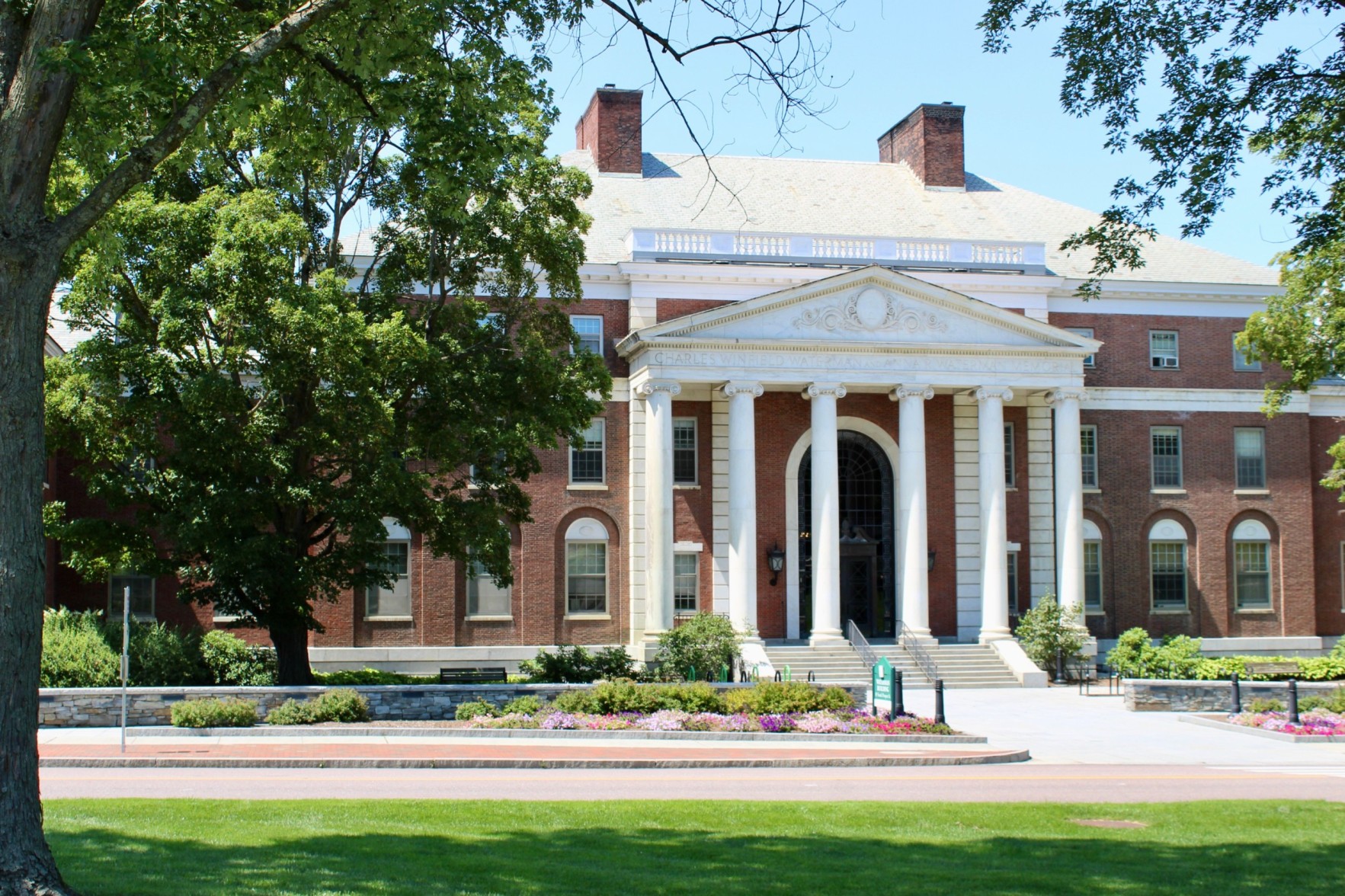
The program is based at UNE’s School of Rural Medicine in Armidale, while clinical education extends to health services across the broader region.
Several features distinguish the JMP from a conventional university course.
A Strong Focus on Rural and Regional Medicine
A substantial part of the program’s identity comes from its focus on rural and regional healthcare. Students gain experience in settings outside the major metropolitan hospital environment and encounter the kinds of health issues faced by communities across regional New South Wales.
This can include placements in regional hospitals, general practices and other healthcare facilities. The experience gives students exposure to patients and healthcare teams working in communities where medical services can operate quite differently from those in large city hospitals.
Smaller Learning Groups
Students at the School of Rural Medicine study within a comparatively close-knit academic environment. Smaller cohorts can make it easier to interact directly with teaching staff, clinical tutors and practising medical professionals during practical and clinical learning.
For a course that involves regular feedback and hands-on training, access to teaching staff can become an important part of the student experience.
Medical Science and Clinical Learning Together
The curriculum brings several areas of medical education together instead of placing them into completely isolated blocks. Anatomy, clinical skills, medical ethics, pathology and population health are connected through case-based learning and practical activities.
Problem-based learning (PBL) is also used as part of the course. Students work through clinical scenarios and apply what they have learned rather than relying entirely on lectures and textbook-based study.
UNE Medicine Degree Structure: Bachelor of Medical Science + Doctor of Medicine
The five-year Joint Medical Program is divided into two connected stages. The first three years lead to the Bachelor of Medical Science, followed by two years of Doctor of Medicine study.
Stage | Years | Main Focus |
Bachelor of Medical Science | Years 1–3 | Medical sciences, anatomy, pathology, clinical foundations and early clinical learning |
Doctor of Medicine (MD) | Years 4–5 | Clinical rotations, advanced medical training, research and workplace-based assessment |
Years 1–3: Bachelor of Medical Science
The first three years establish the scientific and clinical foundations required for medical practice. Students study areas such as human anatomy, pathology and other medical sciences while beginning to develop practical clinical skills.
Learning is not restricted to traditional classroom teaching. Case-based activities, laboratory work, problem-based learning and early clinical exposure form part of the broader course structure.
Students also begin to understand how medical knowledge is applied to actual patients and communities. This early exposure is particularly relevant to the regional focus of the program, as students can encounter healthcare settings outside the large metropolitan hospitals that feature heavily in many medical courses.
The first three years are primarily associated with the Armidale-based School of Rural Medicine. Students therefore spend a significant part of this stage building their academic and clinical foundations within the UNE environment.
Years 4–5: Doctor of Medicine
The final two years move further into clinical medicine. Students undertake clinical rotations through teaching hospitals, regional health services and general practices connected with the Joint Medical Program.
The focus shifts from learning the foundations of medicine to applying that knowledge in workplace settings. Students encounter patients, work alongside healthcare professionals and complete more advanced clinical learning and assessment.
Research and workplace-based assessments also form part of the later stage of the degree. Clinical training can take students beyond Armidale, depending on the placement requirements and health services associated with the program.
CTA: Moving to Armidale for your medical degree? Find University of New England Accommodation and arrange a study-ready room before your first teaching period begins.
UNE Medicine Entry Requirements: ATAR, UCAT ANZ and the MSA
One of the first questions prospective students ask about UNE medicine is how high their ATAR needs to be. A very high ATAR is certainly important for competitive medical entry, but the JMP does not select students on school results alone.
The selection process considers academic performance alongside UCAT ANZ results and performance in the Multiple Skills Assessment (MSA). This means that a student who meets the academic threshold still needs to perform well in the later stages of the selection process.
For standard school-leaver entry, the stated minimum ATAR is 94.30. Applicants eligible for the rural entry scheme can be considered from a lower minimum ATAR of 91.40, subject to meeting the relevant rural eligibility requirements.
These figures represent minimum thresholds rather than guaranteed entry scores. Meeting the minimum does not mean that an applicant will automatically receive an interview or a place in the program.
Academic Merit: ATAR and Selection Rank
School-leaver applicants are assessed using their ATAR or equivalent selection rank.
For the standard entry pathway:
- Non-rural applicants: Minimum ATAR of 30
- Rural applicants: Minimum ATAR of 40, where the applicant meets the relevant rural eligibility requirements
- Tertiary applicants: Previous university study can be considered through GPA rather than relying solely on a Year 12 result
The academic threshold is therefore the first part of the process rather than the final measure used to decide who receives an offer.
Students should also remember that the minimum published ATAR should not be interpreted as an indication of how competitive the applicant pool will be in a particular year. Medical places remain limited, and many applicants who meet the threshold will continue into the later selection stages.
UCAT ANZ
Domestic applicants are required to sit the University Clinical Aptitude Test (UCAT ANZ) as part of the selection process.
The UCAT ANZ is separate from your school examinations. It assesses a different set of abilities and is used to help determine which eligible applicants progress to the interview stage.
Your performance in the test can therefore make a significant difference after you have met the academic requirements. Preparing for the UCAT should not be treated as something to leave until the final few weeks before the test window.
Multiple Skills Assessment
Applicants who meet the relevant selection requirements can be invited to the Multiple Skills Assessment (MSA).
The MSA uses a series of scenarios to assess qualities that are relevant to medical practice. Rather than asking candidates to reproduce large amounts of scientific information, the assessment looks at areas such as:
- Communication
- Ethical reasoning
- Problem-solving
- Interpersonal skills
- Personal qualities
- Responses to practical situations
The MSA therefore adds another layer to the selection process. Strong academic results and a good UCAT ANZ performance do not remove the need to prepare for the interview component.
Is UNE Medicine Easier to Enter Than Other Medical Schools?
The lower minimum ATAR compared with some metropolitan medical programs can make the JMP appear more accessible on paper. That does not mean that securing a place is straightforward.
The number of available places remains limited, and applicants must progress through the selection process after meeting the academic threshold. UCAT ANZ performance and the MSA can significantly affect who moves forward and who ultimately receives an offer.
It is more useful to think of the published ATAR as an eligibility threshold rather than a target that guarantees admission.
CTA: Medical study leaves little room for a long daily commute. Compare University of New England Accommodation near the School of Rural Medicine and check room prices, inclusions, and distance from campus before choosing where to live.
UNE Medicine Campus and Clinical Training Locations
The School of Rural Medicine in Armidale is the main academic base for students entering the UNE medicine pathway, particularly during the early part of the degree. Clinical education, however, is not confined to one campus.
The structure of the JMP means that students can spend time in different healthcare settings as they move through the course. This is particularly relevant during the later clinical years, when placements become a much larger part of the weekly routine.
Armidale Campus: Years 1–3
Students spend the early years of the program in Armidale, where the School of Rural Medicine provides the academic setting for medical education.
The city also offers a different pace of life from Sydney. Accommodation is generally less expensive than in the capital cities, and students living close to campus can keep their daily commute relatively short.
A shared house in Armidale can cost around AUD 170 to AUD 260 per week, depending on the property and room. This makes the accommodation budget an important consideration for medical students who may have limited time for part-time employment during demanding periods of the course.
The proximity of the campus and local health facilities is another practical advantage. Students can spend less time travelling and more time on coursework, practical sessions and clinical preparation.
Clinical Placements Across Regional New South Wales
The later years of the program involve clinical placements across healthcare networks associated with the JMP. Depending on the placement, students may train in locations including Armidale, Tamworth and facilities within the Tablelands clinical network.
This means that medical students need to think about accommodation beyond their primary room in Armidale. A placement outside the city may involve additional travel or temporary housing, depending on the length and location of the rotation.
Students should therefore consider their accommodation arrangements with their later clinical years in mind rather than assuming that their first-year living arrangement will cover every placement.
UNE Sydney Study Centre in Parramatta
UNE also operates a Sydney study centre in Parramatta, which serves students from several other university programs. It is important not to confuse this location with the primary base of the Joint Medical Program.
The University of New England Medicine course has its main academic base at the School of Rural Medicine in Armidale, while medical clinical training takes place through the health services and clinical networks associated with the JMP.
The UNE Sydney study centre is relevant to broader UNE study options, but students considering the medical program should focus primarily on the Armidale campus and the clinical placement locations attached to their course.
CTA: Planning your move for the Joint Medical Program? Browse student accommodation near UNE Armidale and compare rooms before your medical studies begin.
Applying for the UNE Joint Medical Program in 2027
The Joint Medical Program has several stages, and prospective students need to keep track of each one rather than treating the process as a single university application. UCAT ANZ registration, UAC preferences, the direct JMP application and the MSA all have separate requirements.
A missed step can prevent an otherwise eligible applicant from progressing, so it is worth putting the important dates into your calendar as soon as the application cycle opens.
1. Register for UCAT ANZ
Domestic applicants need to sit the UCAT ANZ as part of their application. Registration normally takes place before the testing window, so students planning to enter the JMP should monitor the UCAT ANZ schedule well before the university application deadline.
Do not leave registration until the last few days. You need to complete the registration process, select an available test date, and then allow yourself enough time to prepare for the test itself.
Your UCAT ANZ result is used during the selection process, so the test should be treated as a separate part of your medical school preparation rather than an administrative formality.
2. Add the JMP to Your UAC Preferences
Applicants need to include the relevant Joint Medical Program course in their University Admissions Centre (UAC) preferences.
For 2027 entry, prospective students should have their preference submitted by the relevant late-September deadline. Check the current UAC application schedule rather than relying on an older date, as application deadlines can change between admission cycles.
Your UAC application and the direct JMP application are separate parts of the process. Completing one does not remove the need to complete the other.
3. Complete the Direct JMP Application
Alongside the UAC preference, applicants need to complete the JMP application form directly through the relevant university application portal.
The direct application is an important step because the JMP has its own selection process. Make sure your personal information, academic details, and other required sections are complete before the closing date.
For the 2027 intake, the stated deadline for the direct JMP application is 30 September.
Keep confirmation of your submission after completing the form. It is useful to have a record that the application was submitted successfully before the deadline.
4. Attend the Multiple Skills Assessment
Applicants who progress through the earlier selection stages can receive an invitation to the Multiple Skills Assessment.
The MSA generally takes place around November and December for the relevant admission cycle. Candidates are assessed through a series of scenarios rather than a conventional academic examination.
Preparation should focus on communicating clearly, listening carefully, explaining your reasoning, and responding appropriately to ethical and interpersonal situations. Trying to memorise scripted answers can be less useful than understanding the qualities the assessment is intended to examine.
5. Wait for the Final Offer
Final offers are released after the selection process has been completed, with offers for the 2027 intake expected around January 2027.
The final outcome takes account of the relevant academic requirements, UCAT ANZ performance and MSA assessment. Meeting the minimum ATAR or GPA threshold alone does not guarantee a place.
Students receiving an offer should read the conditions carefully and complete the required acceptance steps within the stated timeframe.
UNE Medicine Application Timeline for 2027
For a quick reference, the main stages can be arranged as follows:
Application Stage | Approximate Timing | What You Need to Do |
UCAT ANZ registration | May 2026 | Register for the test and choose an available testing date |
UCAT ANZ testing | Mid-year 2026 | Sit the admissions test and receive your result |
UAC preference | By late September 2026 | Add the Joint Medical Program to your UAC preferences |
Direct JMP application | By 30 September 2026 | Submit the separate JMP application |
MSA | November–December 2026 | Attend the interview assessment if invited |
Final offers | January 2027 | Receive the admission outcome and complete the required acceptance steps |
Students applying for a 2027 start should confirm the exact dates through the relevant admissions bodies before relying on the timeline above. The application sequence is more important than any single date: UCAT ANZ, UAC and the direct JMP application each need to be completed at the appropriate stage.
What Does It Cost to Live While Studying Medicine at UNE?
Medical school involves a demanding study schedule, so living costs need to be planned with more than the weekly rent in mind. Students can have long days of classes, practical sessions, preparation, and clinical work, leaving less time for extensive part-time employment.
Armidale can help keep some of those costs lower than they would be in Sydney or another major Australian city.
Accommodation Costs in Armidale
A room in shared student accommodation in Sydney generally costs around AUD 170 to AUD 260 per week. The final price depends on the location, room type and what is included in the rent.
When comparing accommodation, look at the total weekly cost rather than the headline rental price alone. Electricity, water, gas and Wi-Fi can add to the amount you pay each month if they are charged separately.
For a medical student, accommodation close to campus can also save time. A shorter journey means less time spent travelling before an early class or after a long day of study.
Look at Utility Inclusions
All-inclusive accommodation can make budgeting easier because the major household bills are already incorporated into the weekly payment.
If utilities are not included, ask how they are charged and whether there are usage limits. A room with a lower advertised rent can end up costing more once electricity, internet and other household bills are added.
This becomes particularly relevant during periods when you are spending more time at home studying.
Account for Clinical Placement Travel
The cost of living can change once clinical placements begin. Some students may need to travel to another regional location or arrange temporary accommodation for a placement.
Do not assume that your first-year accommodation budget will remain exactly the same throughout the five-year program. Placement location, travel requirements, and the length of each rotation can affect your expenses.
Where financial assistance or travel support is available through a relevant health district or placement arrangement, check the conditions before relying on it as part of your budget.
CTA: Medical school leaves little room for unexpected housing costs. Explore University of New England Accommodation and compare weekly rent, utility inclusions and proximity to the Armidale campus before choosing your room.
Planning for Life as a UNE Medical Student
The academic side of applying to UNE medicine is only one part of the decision. The five-year Joint Medical Program also requires students to think carefully about where they will live, how they will travel and how their arrangements may change once clinical placements begin.
For the first three years, Armidale will be the main academic base for most students. Living close to the School of Rural Medicine can reduce daily travel and give you more time for lectures, practical work, PBL sessions and independent study.
The later clinical years require a different approach. Placements can take students across regional New South Wales, so your accommodation and transport plans may need to change depending on where you are allocated.
Students considering the University of New England Medicine pathway should therefore look at the course as a five-year commitment rather than focusing only on the first year. Check the ATAR or GPA requirements, prepare properly for the UCAT ANZ, understand what the MSA involves, and keep track of every application deadline.
Once you have an offer, the practical side becomes just as important. Arrange your accommodation early, keep your weekly housing costs under control, and leave some room in your budget for the additional travel that can come with clinical training.
CTA: Starting the Joint Medical Program in Armidale? Browse University of New England Accommodation and find a student room that fits your study schedule and medical training commitments.
Frequently Asked Questions
Is UNE good for medicine?
The Joint Medical Program has a strong focus on rural and regional healthcare, early clinical exposure and learning through healthcare settings outside the major metropolitan hospital system.
Its structure may particularly suit students interested in working with rural and regional communities, although the right medical program ultimately depends on your preferred learning environment, career plans and location.
Can international students apply for the UNE Joint Medical Program?
The Joint Medical Program through UNE primarily admits domestic applicants, including Australian citizens, permanent residents and New Zealand citizens.
International students interested in studying medicine in Australia should check the current international admission options for medical degrees separately. Eligibility, available places and application processes can differ from those for domestic applicants.
What ATAR do I need if I have already completed a university degree?
Applicants with previous university study may be assessed using their GPA rather than relying on their Year 12 ATAR, subject to the relevant admission requirements.
Tertiary applicants also need to meet the other selection requirements, including the applicable UCAT ANZ and MSA requirements.
Having completed a university degree therefore does not mean that the other parts of the selection process can be skipped.
Do I have to stay in Armidale for all five years?
No. The early stage of the program is primarily based at the School of Rural Medicine in Armidale, while the later clinical years involve placements across hospitals, health services and other clinical settings associated with the Joint Medical Program.
Students should therefore expect some movement between locations during their clinical training.
This also means accommodation planning can change as you progress through the course. Your first few years may be centred around Armidale, while later placements can introduce additional travel and temporary housing requirements.
Is the UNE medicine pathway only focused on rural practice?
The program has a strong rural and regional health focus, but studying through the JMP does not mean that graduates are restricted to rural medical careers.
Students receive broad medical training and clinical experience across different healthcare settings. The regional focus is particularly relevant to understanding healthcare delivery outside Australia’s largest cities, but it forms part of a wider medical education.
Post a comment