
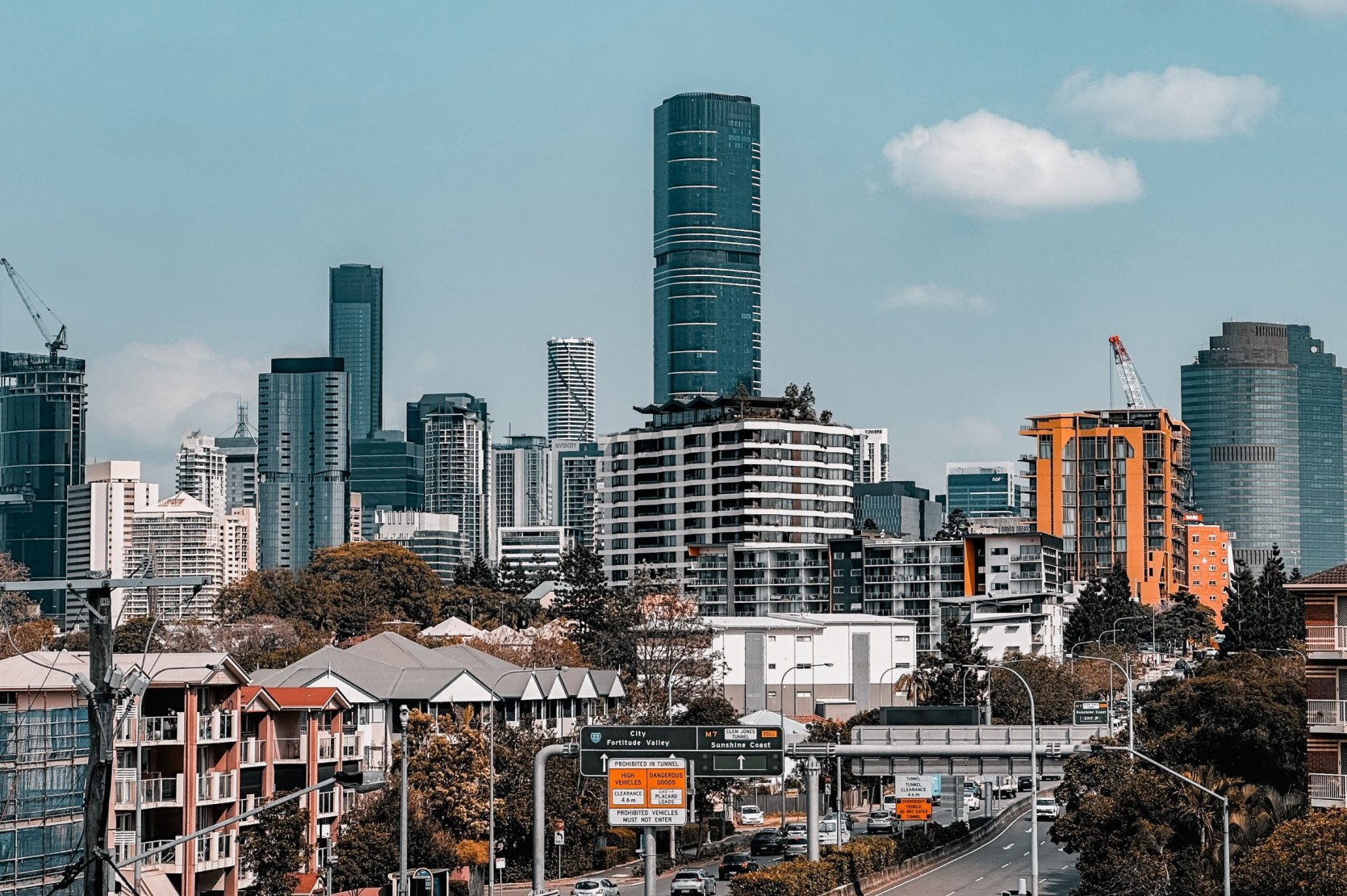
Cost of Living in Brisbane for Students (2026): Is Brisbane Expensive?
Brisbane can look reasonably affordable on paper until rent enters the calculation. A student sharing a house may get through the week on a fairly controlled budget, while someone renting a private apartment can spend hundreds of dollars more before groceries, transport or anything else is added.
The city has three major universities — the University of Queensland, Queensland University of Technology and Griffith University — which means there is a large student population spread across different parts of Brisbane. Where you live matters almost as much as how much you spend. A room in a shared house around Toowong or Indooroopilly creates a very different monthly budget from a private one-bedroom apartment closer to the city centre. Pasted markdown
For a student, a realistic cost of living in Brisbane usually comes down to five things: accommodation, food, transport, utilities and personal spending. Once those are separated, it becomes easier to work out what you actually need each month rather than relying on one broad figure.
Table of Contents
What Is the Average Cost of Living Per Week in Brisbane?
A student sharing accommodation can expect to spend roughly AUD 440–715 per week across rent and regular living costs. That works out to around AUD 1,907–3,098 per month.
Students living in private accommodation or purpose-built student housing generally spend more. A broader weekly range of around AUD 550–900 puts monthly expenses at approximately AUD 2,383–3,900. Pasted markdown
Expense | Weekly estimate | Monthly estimate |
Shared accommodation and basic living costs | AUD 440–715 | AUD 1,907–3,098 |
PBSA/private accommodation and living costs | AUD 550–900 | AUD 2,383–3,900 |
Food | AUD 100–160 | AUD 433–693 |
Public transport | AUD 20–35 | AUD 87–152 |
Utilities | AUD 35–60 | AUD 152–260 |
Mobile and NBN | AUD 15–30 | AUD 65–130 |
Personal care and entertainment | AUD 50–90 | AUD 217–390 |
These are working ranges rather than a fixed bill. Two students in the same suburb can have noticeably different monthly spending depending on the room they rent, how often they eat out and how much they travel around Brisbane.
Accommodation
Rent will usually be the largest item in a student’s budget.
A room in a shared house can cost around AUD 220–340 per week, with areas such as Toowong, Indooroopilly, Nathan and Upper Mount Gravatt offering student-oriented housing options. That translates to roughly AUD 953–1,473 per month. Pasted markdown
Purpose-built student accommodation generally sits higher, at around AUD 320–490 per week, or approximately AUD 1,387–2,123 per month. Locations close to QUT’s Gardens Point and Kelvin Grove campuses and the University of Queensland’s St Lucia campus can command higher rents because students are paying for proximity as well as the room itself.
PBSA can still make sense for someone who wants fewer separate household bills. Utilities, Wi-Fi and furnishings are often incorporated into the weekly price, which makes the advertised rent easier to compare with other accommodation types.
Compare Brisbane student accommodation by weekly rent, included bills and room type before deciding what fits your budget.
A private one-bedroom apartment is another step up. The source range is approximately AUD 450–620 per week, equivalent to AUD 1,950–2,687 per month, before utilities. Pasted markdown
For students trying to keep the cost of living in Brisbane under control, sharing accommodation is therefore one of the biggest ways to reduce monthly spending.
Food and Groceries
Food can take another AUD 100–160 per week from a student’s budget. That comes to roughly AUD 433–693 a month. Pasted markdown
Coles, Woolworths and ALDI cover most routine grocery shopping, while places such as West End Farmers Market and Rocklea can be useful for students who want to compare fresh produce prices.
Cooking most meals at home makes a noticeable difference. A student who buys groceries once or twice a week and prepares meals in their accommodation will generally have much more control over food spending than someone relying heavily on takeaway meals.
Eating out does not have to disappear from the budget either. It simply needs its own category. A few inexpensive meals each week can fit into a student budget; frequent restaurant meals can push food spending well beyond the normal grocery range.
Public Transport
Brisbane’s public transport network operates through Translink, covering buses, trains and ferries across the metropolitan area.
Eligible students can access tertiary concession fares, which helps bring transport costs down. A student using public transport regularly may spend around AUD 20–35 per week, or roughly AUD 87–152 per month. Pasted markdown
Your campus and accommodation make a difference here. Someone living within walking or cycling distance of university may barely need to use public transport during the week. Another student travelling across Brisbane every day will naturally spend more.
That is worth considering before choosing accommodation. Paying a little more to live close to campus can sometimes make sense if it cuts down both commuting time and regular transport expenses.
Choosing where to live in Brisbane? Compare student accommodation near your university and look at the rent alongside your expected transport costs. A room that costs slightly more each week may still work out better if it saves you a long commute and regular travel expenses.
Utilities, Internet and Personal Spending
Utilities can add another AUD 35–60 per week, or around AUD 152–260 per month. Mobile and NBN costs can add approximately AUD 15–30 per week. Pasted markdown
Personal care and entertainment are harder to pin down because they depend almost entirely on individual habits. A working estimate of AUD 50–90 per week covers things such as toiletries, social activities and occasional entertainment, putting this category at around AUD 217–390 per month.
Students who live with housemates can usually spread some household expenses across several people. A private apartment means carrying a much larger share of utilities and internet costs alone.
What Salary Do You Need to Live in Brisbane?
For a single adult living independently, an annual gross salary of around AUD 65,000–75,000 is used as a reasonable benchmark. The corresponding take-home income is roughly AUD 4,300–4,800 per month. At that level, a person can cover rent, groceries, transport, health insurance and ordinary discretionary spending while still leaving some room for savings. Pasted markdown
A student does not need anything close to that amount.
Students who share accommodation and keep discretionary spending under control may manage on an annual income of roughly AUD 20,000–28,000. The important difference is housing. Someone paying AUD 250 a week for a room is carrying a much smaller fixed cost than someone paying AUD 550 a week for a private apartment.
Part-time employment can therefore make a meaningful difference to a student’s finances, although study commitments still have to come first. A budget that depends on working every available hour can become difficult to maintain once assignments, exams and university schedules become demanding.
Is $80,000 a Good Salary in Brisbane?
Yes. An annual salary of AUD 80,000 is a strong income for a single person in Brisbane.
The source estimate places take-home income at approximately AUD 5,266 per month. Someone earning this amount could allocate around AUD 2,000 towards rent while still retaining more than AUD 1,500 for savings, investments, travel and other spending, depending on their overall lifestyle. Pasted markdown
That does not mean AUD 80,000 automatically translates into a lavish lifestyle. A person with expensive housing, a car, substantial debt and frequent discretionary spending can still find their monthly income stretched.
For someone without those commitments, however, AUD 80,000 gives considerably more breathing room than a typical student budget. The difference becomes particularly obvious when accommodation is shared or when housing costs remain below AUD 2,000 a month.
Is $1,500 AUD Enough for a Month in Australia?
For most students living independently in Brisbane, AUD 1,500 a month is not enough to cover normal living costs.
The lower end of the shared-student budget already sits around AUD 1,907 a month. Once rent, groceries, transport, utilities and basic personal expenses are combined, AUD 1,500 leaves very little room. Pasted markdown
There are circumstances where it could work. A student staying with family, receiving subsidised accommodation or finding an unusually cheap room at around AUD 150–180 per week could bring the housing bill down enough to make AUD 1,500 more workable.
For someone paying ordinary market rent, though, it is safer to treat AUD 1,500 as an unusually tight budget rather than a normal monthly allowance.
What Percentage of Australians Earn Over $100,000 a Year?
An income above AUD 100,000 a year is well above the middle of the Australian income distribution. Around 15%–18% of Australian tax filers earn more than that amount in individual gross income. Full-time median earnings across metropolitan industries sit closer to AUD 78,000–85,000 a year. Pasted markdown
That makes the AUD 100,000 figure a useful benchmark, but it does not tell you much about a student’s finances. A person earning AUD 100,000 and paying a large mortgage has a very different financial position from a student earning AUD 30,000 and sharing a house with three other people.
For someone studying in Brisbane, rent and weekly spending are much more useful measures than national income rankings.
Working out your Brisbane budget? Start by comparing student accommodation near your university and see how much of your monthly income would go towards rent.
What Is the 50/30/20 Rule in Australia?
The 50/30/20 rule divides take-home income into three broad groups:
Category | Percentage | Examples |
Needs | 50% | Rent, groceries, utilities, transport and health insurance |
Wants | 30% | Eating out, entertainment, subscriptions, holidays and social activities |
Savings/debt | 20% | Savings, investments, super contributions and debt repayments |
It is a budgeting framework rather than a requirement.
A student might find that rent alone takes up more than half of their income, particularly during the first few months after moving to Brisbane. Trying to force every expense into a rigid percentage can make the budget less useful.
The better approach is to use the rule as a reference point. If essentials are taking up 70% of monthly income, that tells you something important about the budget. If a student can keep essentials below 50%, the extra money can go towards savings, travel, emergencies or other goals.
For someone earning AUD 2,000 a month, a textbook 50/30/20 division would mean AUD 1,000 for needs, AUD 600 for wants and AUD 400 for savings or debt repayment. Actual student budgets will vary, particularly because accommodation costs differ so much between suburbs and housing types.
How Many Australians Have $100,000 in Savings?
Having AUD 100,000 in liquid savings is relatively uncommon.
Financial industry surveys and banking data place the proportion of Australian adults with AUD 100,000 or more in liquid cash savings, excluding property equity and superannuation, at roughly 10%–14%. A much larger share of working Australians have liquid savings in the AUD 10,000–35,000 range. Pasted markdown
There is an important distinction here between savings and overall wealth. Someone may own a property worth several hundred thousand dollars and have a substantial superannuation balance without having AUD 100,000 available in a savings account.
Students do not need to aim anywhere near that figure while studying. A smaller emergency fund can be much more useful in the short term. Having enough money set aside for rent, groceries and unexpected expenses can make a temporary drop in income much easier to handle.
Is $100,000 in Savings Good at 30?
Yes. AUD 100,000 in savings at age 30 is a very strong position.
The benchmark used here places median cash savings for an Australian around age 30 at approximately AUD 15,000–25,000. Reaching AUD 100,000 therefore puts a person considerably above that level. Pasted markdown
What happens to the money matters as much as the balance itself. Some people may keep a portion as an emergency reserve and use the remainder towards a home deposit. Others may invest it or use it to reduce expensive debt.
For younger students, the more useful takeaway is that savings do not have to appear all at once. Regular contributions become easier to maintain when rent and other fixed costs are kept under control.
Can I Retire at 60 with $600,000 in Super?
AUD 600,000 in superannuation can support retirement at 60 for some people, but the answer depends heavily on housing, annual spending and how long the money needs to last.
The benchmark here assumes a single person who owns their home without a mortgage. The Association of Superannuation Funds of Australia estimates that a single retiree needs approximately AUD 51,200 a year for a comfortable retirement lifestyle. Pasted markdown
Housing changes the calculation considerably. Someone who owns their home outright has a much smaller fixed monthly obligation than someone who enters retirement still paying rent or a mortgage.
Retiring at 60 also means planning for the years before Age Pension eligibility. The benchmark places that eligibility age at 67, so a person stopping work at 60 needs enough resources to cover that gap as well as their later retirement years. Pasted markdown
A AUD 600,000 super balance can therefore be workable under the right circumstances, but it should not be treated as a universal retirement figure. Spending levels, investment performance, housing and other income sources all change the calculation.
Keeping the Cost of Living in Brisbane Under Control
There is no single Brisbane budget that works for every student. Someone sharing a house near university, cooking regularly and using public transport can keep spending considerably below a student renting a private apartment and eating out several times a week.
Accommodation is the first place to look. A difference of AUD 100 in weekly rent becomes roughly AUD 433 a month, so even a seemingly small change in housing cost can have a noticeable effect over a year.
Food comes next. Grocery shopping and cooking at home give students much more control than relying on takeaway meals. Transport is another area where location matters: living close to campus can reduce both commuting time and regular travel costs.
The most useful way to approach the cost of living Brisbane is to work backwards from actual weekly spending. Start with rent, add groceries, transport, utilities and personal expenses, then see what remains. That figure gives you a much clearer idea of whether a particular accommodation choice and lifestyle are financially realistic than a single city-wide average ever could.
Planning your move to Brisbane? Compare student accommodation near your university, check the weekly rent and what it includes, then build the rest of your budget around the housing option you choose.
Frequently Asked Questions
What is the monthly student budget in Brisbane?
Students sharing accommodation should budget around AUD 1,907–3,098 per month.
How much is shared accommodation in Brisbane?
A room in a shared house typically costs around AUD 220–340 per week.
Is AUD 1,500 enough per month in Brisbane?
Usually not. Most students living independently need at least around AUD 1,907 per month.
How can students save money in Brisbane?
Students can share accommodation, cook at home, use eligible concession fares, and live near their campus.
What are the main student expenses in Brisbane?
The main expenses are rent, food, transport, utilities, mobile and internet, and personal spending.
Post a comment