Corvallis doesn’t host a scattered collection of universities competing for attention. Instead, its academic identity is focused, consistent, and deeply embedded in how the city operates. Student schedules shape traffic patterns, semester timelines influence housing demand, and campus culture spills naturally into daily life. For students, this creates a city where education isn’t isolated—it’s integrated.
The academic centerpiece of Corvallis is Oregon State University. Its presence defines the student ecosystem in very practical ways. Class schedules influence peak hours across the city, academic calendars shape leasing cycles, and student routines become part of Corvallis’s everyday rhythm. This isn’t a campus bubble—it’s a campus-city overlap.
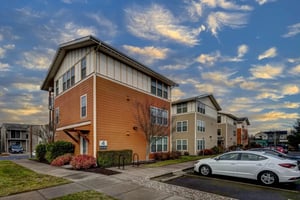
Because the university is so central, proximity becomes a common consideration for students planning where to live. Some students prioritize minimizing commute time to streamline packed schedules, which is why searches around campus apartments Corvallis OR exist in the first place. For students balancing labs, group work, and part-time jobs, proximity isn’t about convenience—it’s about preserving energy.
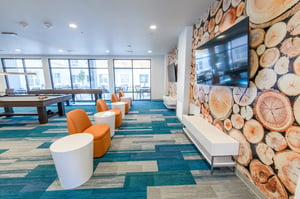
Academic life here emphasizes applied learning. Students are encouraged to engage in research, collaborative projects, and hands-on coursework that extends beyond lectures. This intensity shapes daily routines and influences how students choose housing. Spaces that support long study hours, reliable quiet time, and consistent schedules tend to stay in higher demand.
Graduate and postgraduate students add depth to the academic community. These students often seek stability, quieter environments, and longer-term housing plans. Their presence diversifies the student population and reinforces demand for housing that supports focus rather than constant social activity. This mix is part of why Corvallis student apartments serve a wide range of academic stages and lifestyles.
What sets Corvallis apart from larger university cities is predictability. Student numbers remain relatively stable, which keeps housing demand steady instead of volatile. Students who understand this pattern feel more confident planning ahead, knowing leasing cycles follow familiar rhythms rather than sudden spikes tied to hype.
The university’s influence also extends to career preparation. Students are encouraged to gain experience through research roles, internships, and academic-adjacent work. This practical focus shapes how students structure their days and, by extension, how they approach housing decisions. Living environments that support routine and recovery become strategic choices, not afterthoughts.
Accessibility plays a big role in adjustment, especially for first-year, international, and out-of-state students. Campuses are well integrated into the city, making it easier for new students to explore, establish routines, and feel connected quickly. Students don’t feel cut off from city life—they grow into it.
Peer connections form naturally within this environment. Long study hours, collaborative coursework, and shared academic pressure create bonds that extend into housing and social life. Over time, these shared experiences shape how students experience Corvallis—not just as a place to study, but as a place to live.
House of Students understands how closely academic life and housing decisions are connected in Corvallis. By helping students compare housing options based on proximity, routine compatibility, and long-term comfort, the platform supports smarter leasing decisions that align with academic goals.
Ultimately, popular universities in Corvallis don’t just educate—they structure the student experience. Their influence creates a housing ecosystem that’s stable, student-focused, and adaptable. For students who value clarity, balance, and consistency, this academic environment makes Corvallis a practical and supportive place to pursue higher education.