AboutHelp

Student Apartment in Williamsburg, VA

·From 995/week·4+ universities

Williamsburg as a student city

Williamsburg doesn’t try to overwhelm you with noise, neon lights, or “big city energy.” Instead, it quietly dares you to slow down—and for students, that’s not a bad thing. This city runs on structure, routine, and a level of calm that feels almost suspicious if you’re used to chaotic college towns. Williamsburg isn’t boring; it’s intentional.

One of the first things students notice is how manageable everything feels. Distances are short, daily errands don’t turn into full-blown missions, and getting from one place to another rarely requires advanced planning. That simplicity shapes student living Williamsburg in a way that prioritizes balance over burnout.

The city’s historical identity gives it a unique personality, but it never feels stuck in the past. Williamsburg blends tradition with modern student life surprisingly well. You’ll see students studying in cafes, walking familiar routes, and building routines that actually stick. The city doesn’t distract you from your goals—it quietly supports them.

Another defining trait is predictability. Williamsburg doesn’t throw random curveballs into your daily life. Neighborhoods feel consistent, services operate reliably, and the overall pace remains steady throughout the year. For students juggling academics, work, and personal life, that predictability reduces stress more than any “exciting” feature ever could.

Cost awareness is also part of the city’s DNA. While Williamsburg isn’t the cheapest place imaginable, it avoids the wild price swings seen in larger cities. Students who budget realistically don’t feel like they’re constantly playing financial defense. This stability allows students to focus on academics instead of worrying about unexpected expenses.

Social life in Williamsburg exists, but it doesn’t demand everything from you. Students connect through shared routines, repeated interactions, and familiar places rather than loud events or constant nightlife. This makes social life feel sustainable instead of draining. You can be social without sacrificing your sleep schedule or sanity.

The city also supports independence without chaos. Students learn to manage their schedules, housing, and daily responsibilities without feeling overwhelmed. Simple logistics—transport, errands, planning—feel achievable rather than exhausting. That independence helps students build confidence over time.

Public spaces play a big role in shaping daily life. Parks, libraries, walkable streets, and community areas become natural extensions of student routines. These spaces don’t pressure students to perform—they simply exist as places to reset, focus, or socialize casually.

Williamsburg’s size also helps students feel grounded. You don’t feel anonymous here, but you’re also not constantly in the spotlight. Familiarity builds quickly, and that sense of belonging develops naturally over time.

House of Students understands that the city itself plays a major role in housing decisions. Living in Williamsburg means choosing housing that aligns with the city’s pace rather than fighting it. When students match where they live with how the city works, daily life feels smoother and more predictable.

Ultimately, Williamsburg as a city offers students something rare: calm without stagnation. It’s a place where routines thrive, focus feels natural, and student life doesn’t have to feel chaotic to be meaningful. For students who value balance, clarity, and structure, Williamsburg isn’t just a place to study—it’s a place that quietly works in their favor.

read more
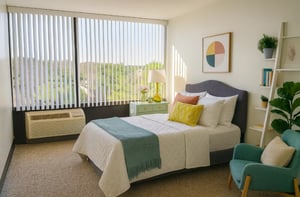
Bed with teal throw blanket armchair and decor Bedroom at City Lofts Apartments in Williamsburg Student Accommodation
3.6(72)·Verified

Distance from city centre: 1 miles

Vending Machines | Pool Table+1 more

2 OffersUpto US$450 CashbackView all
  • Refer your friends and get up to US$400 cashback and more!
  • US$50 Exclusive Cashback when you book with House of Student.
Free cancellationNo visa · No payBills incl.12 weeks

From US$995/month

Private Room

View details
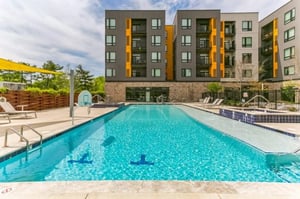
Apartment building with pool basketball hoop lounge chairs exterior at Current Midtown Apartments in Williamsburg Student Accommodation
3.8(189)·Verified

Distance from city centre: 1 miles

Stainless Steel Appliances

2 OffersUpto US$450 CashbackView all
  • Refer your friends and get up to US$400 cashback and more!
  • US$50 Exclusive Cashback when you book with House of Student.
Free cancellationNo visa · No payBills incl.12 weeks

From US$1,099/month

Private Room

View details
Not Available
Loading interface...
3.8(189)·Verified

Distance from city centre: 1.2 miles

Resort-Style Pool | Pet Friendly+7 more

2 OffersUpto US$450 CashbackView all
  • Refer your friends and get up to US$400 cashback and more!
  • US$50 Exclusive Cashback when you book with House of Student.
Free cancellationNo visa · No payBills incl.12 weeks

From US$1,175/month

Private Room

View details

About Williamsburg

Williamsburg doesn’t try to overwhelm you with noise, neon lights, or “big city energy.” Instead, it quietly dares you to slow down—and for students, that’s not a bad thing. This city runs on structure, routine, and a level of calm that feels almost suspicious if you’re used to chaotic college towns. Williamsburg isn’t boring; it’s intentional.

One of the first things students notice is how manageable everything feels. Distances are short, daily errands don’t turn into full-blown missions, and getting from one place to another rarely requires advanced planning. That simplicity shapes student living Williamsburg in a way that prioritizes balance over burnout.

The city’s historical identity gives it a unique personality, but it never feels stuck in the past. Williamsburg blends tradition with modern student life surprisingly well. You’ll see students studying in cafes, walking familiar routes, and building routines that actually stick. The city doesn’t distract you from your goals—it quietly supports them.

Another defining trait is predictability. Williamsburg doesn’t throw random curveballs into your daily life. Neighborhoods feel consistent, services operate reliably, and the overall pace remains steady throughout the year. For students juggling academics, work, and personal life, that predictability reduces stress more than any “exciting” feature ever could.

Cost awareness is also part of the city’s DNA. While Williamsburg isn’t the cheapest place imaginable, it avoids the wild price swings seen in larger cities. Students who budget realistically don’t feel like they’re constantly playing financial defense. This stability allows students to focus on academics instead of worrying about unexpected expenses.

Social life in Williamsburg exists, but it doesn’t demand everything from you. Students connect through shared routines, repeated interactions, and familiar places rather than loud events or constant nightlife. This makes social life feel sustainable instead of draining. You can be social without sacrificing your sleep schedule or sanity.

The city also supports independence without chaos. Students learn to manage their schedules, housing, and daily responsibilities without feeling overwhelmed. Simple logistics—transport, errands, planning—feel achievable rather than exhausting. That independence helps students build confidence over time.

Public spaces play a big role in shaping daily life. Parks, libraries, walkable streets, and community areas become natural extensions of student routines. These spaces don’t pressure students to perform—they simply exist as places to reset, focus, or socialize casually.

Williamsburg’s size also helps students feel grounded. You don’t feel anonymous here, but you’re also not constantly in the spotlight. Familiarity builds quickly, and that sense of belonging develops naturally over time.

House of Students understands that the city itself plays a major role in housing decisions. Living in Williamsburg means choosing housing that aligns with the city’s pace rather than fighting it. When students match where they live with how the city works, daily life feels smoother and more predictable.

Ultimately, Williamsburg as a city offers students something rare: calm without stagnation. It’s a place where routines thrive, focus feels natural, and student life doesn’t have to feel chaotic to be meaningful. For students who value balance, clarity, and structure, Williamsburg isn’t just a place to study—it’s a place that quietly works in their favor.


Choosing where to live in Williamsburg isn’t about chasing the loudest block or the most hyped address. It’s about understanding how different areas of the city support different student routines. Williamsburg is compact, yes—but each area has its own rhythm, noise level, and day-to-day energy, and those details matter far more than students expect at first.

Areas closer to academic activity naturally attract students who value efficiency. Shorter commutes, predictable schedules, and easier access to study spaces make these areas popular during demanding semesters. Living nearby doesn’t mean giving up calm; it simply means fewer logistical obstacles when deadlines stack up and time suddenly feels expensive.

At the same time, many students intentionally explore campus apartments Williamsburg RG to create a clearer boundary between academic pressure and personal time. Living slightly farther out often means quieter surroundings and more consistent evenings, which appeals to students with heavier workloads or those balancing studies with part-time jobs. In Williamsburg, distance rarely equals inconvenience—it usually equals breathing room.

Shared living culture also shapes where students gravitate. Neighborhoods that naturally support shared setups stay in steady demand year after year. These areas balance affordability with community without tipping into chaos, which is why interest in student apartments Williamsburg remains strong across multiple parts of the city.

Accessibility is another big factor. The best student-friendly areas make daily tasks easy. Grocery runs don’t require a plan, and study breaks don’t feel like time-consuming detours. Because Williamsburg isn’t sprawling, students don’t have to choose between convenience and quiet—most areas manage to offer both.

Some students prioritize focus above everything else. Residential pockets with lower student density appeal to those who need predictable environments and fewer distractions. These areas often attract upper-year students or those working alongside academics. While they may require slightly more planning around travel, they usually return consistency in exchange.

On the other hand, students who enjoy being around peers often choose areas with higher student concentration. These neighborhoods feel familiar quickly, with shared schedules and repeated interactions becoming part of daily life. Living near other students often makes social connections easier without forcing constant engagement.

What makes Williamsburg unique is that no area feels extreme. Student-heavy zones don’t feel overwhelming, and quieter areas don’t feel isolated. This balance allows students to choose based on preference rather than necessity, which is why student housing Williamsburg works across so many lifestyles.

Long-term comfort matters too. Since most leases run for an academic year, choosing the right area is about sustainability. Noise levels, commute time, and access to essentials all add up over months. Students who think beyond the first few weeks tend to feel more settled later on.

House of Students helps students navigate these choices with clarity instead of guesswork. By comparing areas based on routine compatibility and daily practicality, students can lease housing confidently rather than reactively.

Ultimately, the best areas for student housing in Williamsburg are the ones that fit how you live—not how you think student life is supposed to look. Once students understand how neighborhoods function here, choosing where to live becomes less stressful and far more intentional.


Student housing in Williamsburg doesn’t assume every student lives the same way—and thank goodness for that. Some students need background noise to function, others need monk-level silence, and a few just want full control over their space. Williamsburg supports all of these personalities without forcing anyone into a one-size-fits-all setup.

Shared apartments are the most common choice among students. These typically involve private bedrooms paired with shared kitchens, bathrooms, and living spaces. Students choose this option because it balances affordability with independence. Splitting rent and utilities keeps budgets reasonable, while shared common areas support social connection. This is why student apartments Williamsburg RG continue to attract students who want flexibility without sacrificing community.

Private rooms within shared housing are another popular option. In this setup, students get their own bedroom but still share common areas. It’s ideal for those who want personal space without the cost of living alone. Many students transition to this arrangement as academic demands increase and quiet time becomes non-negotiable.

Studio-style living exists for students who value independence above everything else. Studios combine sleeping, living, and kitchen space into a single unit, offering maximum control over schedule and environment. While typically more expensive, studios appeal to students who prioritize focus, privacy, and routine stability.

Multi-bedroom apartments designed for student living are also widely available. These layouts feature individual bedrooms with shared common spaces, making them ideal for roommates who want clear boundaries. This setup is especially appealing to students planning to stay in the same housing long-term, which explains steady interest in student apartments among upper-year students.

Room preferences in Williamsburg often evolve over time. First-year students or those new to off-campus living usually start with shared arrangements to manage costs and build social connections. As students progress academically, many shift toward private rooms or quieter setups that better support heavier workloads and structured routines.

Budget plays a significant role in room selection. Shared living offers the lowest cost per person, while private rooms and studios increase expenses in exchange for comfort and autonomy. What makes Williamsburg manageable is that students can gradually upgrade privacy without encountering extreme price jumps.

Another factor students consider is how well a room supports daily habits. Study space, storage, natural light, and noise levels all affect productivity and mental well-being. Choosing a room that aligns with personal routines quietly improves academic performance over time.

Lease length also influences room decisions. Since most student leases run for the academic year, room choices aren’t temporary experiments. Students who think beyond move-in week and consider long-term comfort tend to make better decisions and feel more settled.

House of Students simplifies this process by helping students compare room types clearly and choose housing that matches how they actually live. Instead of guessing or settling, students can lease with confidence and intention.

Ultimately, the variety of student room types in Williamsburg reflects the city’s calm, student-first mindset. Whether you prefer shared energy, focused quiet, or total independence, there’s a room type that fits. Choosing the right one early sets the tone for the entire academic year—and in Williamsburg, that flexibility is a real advantage.


Let’s talk money—the thing students promise to budget and then immediately test with coffee purchases. Williamsburg keeps the cost-of-living conversation refreshingly grounded. It’s not trying to be a bargain-bin college town, but it’s also not out to financially jump-scare students every month. The result is a city where planning actually pays off and surprises are rare.

Housing is, predictably, the biggest expense. What works in students’ favor is stability. Prices don’t swing wildly between semesters, and demand follows the academic calendar rather than hype. That predictability is a major reason Williamsburg student housing feels manageable for students who plan early instead of panic-searching a week before classes start.

Shared living is the most common strategy for keeping costs under control. Splitting rent and utilities lowers individual expenses immediately and makes budgeting less dramatic. Students who opt for shared setups often find they can maintain comfort without stretching finances, especially when they lock in housing with time to spare.

Beyond rent, daily expenses stay reasonable when approached intentionally. Groceries are manageable for students who cook even a little, while those who eat out more often will notice costs climb faster. Williamsburg doesn’t punish either approach—it simply makes the trade-offs clear. Students who find a balance tend to feel the most financially relaxed.

Transportation costs are another quiet win. Williamsburg’s compact layout means students don’t have to budget heavily just to move around. Walking, biking, and short commutes cover most needs, which keeps monthly transport expenses predictable. Many students find they can live comfortably without owning a car, which saves both money and mental energy.

Utilities and internet costs depend on living arrangements, but shared housing helps keep these expenses in check. Splitting bills evenly avoids surprises and keeps monthly spending consistent. Students who factor utilities into their budget early rarely feel caught off guard later in the year.

Entertainment and social spending in Williamsburg also stays under control—mostly because the city’s social culture doesn’t revolve around high-cost nightlife. Students connect through casual hangouts, routine spots, and community spaces that don’t demand constant spending. This keeps social life active without quietly draining budgets.

Another advantage is transparency. Students aren’t constantly hit with hidden fees or inflated prices tied to seasonal demand. Once routines settle, budgeting becomes almost automatic. That sense of control is one reason student housing Williamsburg decisions feel less risky here than in more volatile student cities.

Seasonal shifts do influence spending habits, but students adapt quickly. Costs may fluctuate slightly depending on the time of year, but planning replaces reaction. Over time, most students develop financial routines that work across the entire academic cycle instead of just surviving month to month.

Part-time work fits comfortably into this financial landscape. Many students balance academics with jobs that help cover personal expenses without overwhelming schedules. Because daily costs remain manageable, income from part-time work often feels meaningful rather than symbolic.

House of Students supports smarter budgeting by helping students compare housing options clearly and realistically. Instead of focusing only on rent, students can evaluate total affordability and choose housing that aligns with their actual financial situation.

Ultimately, the cost of living in Williamsburg isn’t about being cheap—it’s about being predictable. Students who plan ahead, budget realistically, and choose housing thoughtfully usually find expenses stay under control. And when finances feel stable, students can focus on what actually matters: academics, personal growth, and enjoying student life without constant financial stress.


Student travel in Williamsburg is refreshingly low-effort, which is a polite way of saying you don’t need a master plan just to leave your house. This city runs on short distances, predictable routes, and routines that don’t punish you for being five minutes behind schedule. For students, that kind of travel setup is less “nice to have” and more “daily sanity saver.”

Walking is the default mode of transport for many students. Williamsburg’s layout makes walking practical rather than aspirational. Routes feel safe, familiar, and repeatable, which means students don’t waste mental energy figuring out how to get places. When days are packed with classes, assignments, and work shifts, this simplicity matters more than students initially realize.

Biking fits naturally into student life here as well. Distances are manageable, traffic patterns are calmer than in larger cities, and routes don’t feel intimidating. Students who bike often find it’s the fastest way to move through daily routines without relying on schedules or parking availability. It’s flexible, efficient, and low-drama—very Williamsburg energy.

Public transportation fills in the gaps. While students don’t rely on it constantly, it plays an important supporting role when walking or biking isn’t practical. Bus routes are straightforward and predictable, which makes planning easier. The system may not be flashy, but it does what students actually need: show up consistently.

Car ownership exists, but it’s far from mandatory. Many students realize fairly quickly that daily life doesn’t require a car once routines are established. Between walkable routes, bike-friendly distances, and public transport options, students can get through most weeks without touching a steering wheel. This reality influences how students evaluate housing options within student housing Williamsburg, where accessibility often outweighs raw proximity.

Seasonal changes do affect travel habits, but students adapt without much disruption. Weather shifts encourage smarter planning rather than full routine overhauls. Students adjust departure times, layer up, or choose alternative routes, and then move on. Travel never becomes the main character of the day, which is exactly how students like it.

Weekend travel looks different from weekday commuting. Students often explore nearby areas or take short trips when they need a change of pace. Williamsburg’s location makes these outings manageable without complex logistics. These breaks help students reset mentally without derailing academic responsibilities.

Travel patterns also shape social life. Students naturally choose meeting spots that are easy for everyone to reach, which reinforces the importance of accessibility. Housing that supports this ease often feels more connected to student life overall. When travel doesn’t complicate plans, spontaneity becomes possible again.

Another underrated benefit of Williamsburg travel is reduced mental load. When commuting doesn’t dominate the day, students have more energy for studying, work, and rest. That balance becomes especially noticeable during high-pressure periods when even small inefficiencies feel exhausting.

House of Students understands how closely housing and travel are connected. Where students live determines how smoothly their days flow. By helping students compare housing options with commute practicality in mind, the platform supports decisions that align with real routines rather than idealised assumptions.

For students navigating student housing Williamsburg, understanding travel patterns early makes a real difference. Housing that aligns with how students move through the city turns daily travel into a non-issue instead of a recurring frustration.

Ultimately, student travel in Williamsburg is about efficiency without pressure. Movement fits into daily life instead of controlling it. Students aren’t constantly budgeting extra time or money just to get around. When travel works this smoothly, student life feels calmer, more predictable, and far easier to manage—and that’s a win students feel every single day.
Williamsburg isn’t a city where universities feel like separate islands floating away from daily life. Instead, academic institutions are tightly woven into how the city functions. Class schedules shape traffic flow, semesters influence leasing cycles, and student routines quietly define the rhythm of entire neighborhoods. This integration makes university life feel grounded rather than overwhelming.

The academic centerpiece of the city is College of William & Mary. Its presence doesn’t just define education here—it defines student life. From study habits to social routines, everything aligns around the academic calendar. Students don’t commute to the university; they live alongside it, which changes how housing, travel, and daily planning work.

Because of this close integration, proximity matters—but not obsessively. Students think carefully about how far they want to live from academic spaces, especially when balancing classes, group work, and part-time jobs. That’s why searches around campus apartments Williamsburg RG are so common. It’s not about cutting commute time to zero; it’s about protecting energy during heavy academic weeks.

Academic culture in Williamsburg emphasizes depth over distraction. Students are encouraged to engage seriously with coursework, participate in research, and build skills gradually. This structure shapes housing decisions too. Living environments that support focus, sleep, and predictable routines tend to perform better long-term than anything designed around constant stimulation.

Upper-year and graduate students add diversity to the academic ecosystem. These students often prioritize quieter housing, longer-term leases, and stability. Their needs reinforce demand for housing that supports focus rather than social intensity, which is why Williamsburg student apartments appeal to students at different stages of their academic journey.

One advantage of Williamsburg’s university landscape is predictability. Enrollment remains relatively stable, which keeps housing demand steady instead of volatile. Students who understand this pattern feel more confident planning ahead, knowing leasing cycles follow academic rhythms rather than sudden hype-driven spikes.

Career preparation is deeply connected to the academic environment. Students are encouraged to pursue research, internships, and academic-adjacent roles that build practical experience alongside theory. These commitments influence daily schedules, making efficient routines essential. Housing that supports these routines becomes a strategic choice rather than an afterthought.

Accessibility plays a key role for new students, especially those arriving from out of state or abroad. Campuses blend into the city in a way that makes adjustment easier. Students don’t feel isolated—they grow into the city naturally as routines form.

Peer connections also develop organically within this environment. Long study hours, shared academic pressure, and collaborative projects create bonds that extend beyond classrooms. These relationships often influence where students live, how they study, and how they balance social life with academics.

House of Students understands how closely academic life and housing decisions are connected in Williamsburg. By helping students compare housing options based on proximity, routine compatibility, and long-term comfort, the platform supports leasing decisions that align with academic goals instead of fighting them.

Ultimately, popular universities in Williamsburg don’t just educate—they structure student life. Their influence creates a housing ecosystem that’s stable, student-focused, and predictable. For students who value clarity, balance, and steady progress, Williamsburg offers an academic environment that supports growth without unnecessary chaos.


Leasing student housing in Williamsburg shouldn’t feel like a test of endurance, yet many students find themselves drowning in tabs, screenshots, and half-answers when they try to figure it out alone. The problem isn’t a lack of options—it’s the lack of clarity. House of Students exists to fix exactly that, turning a stressful decision into a structured, manageable process.

The first major advantage of House of Students is transparency. Students don’t want vague descriptions or last-minute surprises; they want to understand how housing will actually affect their daily lives. When students compare student housing Williamsburg, they’re not just comparing rent numbers. They’re weighing commute time, routine compatibility, and how sustainable the setup will feel once the semester gets intense. House of Students makes those comparisons clear instead of overwhelming.

Another reason students rely on House of Students is confidence. Leasing is a long-term commitment, and rushing it often leads to regret. By organizing options clearly and encouraging early decision-making, the platform helps students avoid panic choices. This is especially valuable for students new to student housing, including first-year, out-of-state, and international students who don’t yet understand the city’s rhythm.

Choice without pressure is a core part of the experience. Some students want shared living to manage costs and stay social. Others want quieter environments that support focus and structure. House of Students doesn’t push one version of “ideal.” Instead, it reflects how student housing Williamsburg actually works—diverse, practical, and deeply personal.

Timing also matters, and House of Students respects Williamsburg’s academic leasing cycles. Students who plan ahead usually have more flexibility and better outcomes. The platform supports this by making it easier to compare options early, rather than forcing rushed decisions closer to the semester start.

Another underrated benefit is reduced mental load. When housing is unresolved, it quietly drains energy students could be using for academics, work, or rest. House of Students simplifies the process so students can make decisions efficiently and move on. Once housing is settled, students show up to the semester more focused and prepared.

House of Students is built specifically for students, not general renters. That focus shows in how information is presented and how housing is discussed. Students aren’t treated like temporary occupants—they’re treated like people navigating an important phase of life. This student-first mindset builds trust and leads to better leasing decisions.

Long-term routine alignment is another strength. Housing that fits daily schedules makes student life smoother. House of Students helps students lease with routine compatibility in mind rather than short-term appeal. In a city like Williamsburg, where many students stay in the same housing for multiple years, this alignment matters even more.

Support doesn’t end at comparison. Students leasing through House of Students feel more secure because they understand their choices. That understanding reduces anxiety and helps students settle faster. When housing feels resolved instead of uncertain, students can focus on what actually matters.

Ultimately, leasing student housing in Williamsburg with House of Students is about control—control over options, expectations, and outcomes. Instead of reacting to limited availability, students plan proactively. Instead of guessing, they compare intelligently. And instead of stressing, they move into housing that actually supports their academic and personal goals.

In a city built on structure and predictability, House of Students fits naturally. It doesn’t complicate the process—it simplifies it. And for students, that difference shows up every single day they don’t have to worry about where they live.

FAQs

Because it removes confusion. House of Students helps students compare housing intelligently, lease confidently, and avoid rushed mistakes—making student life in Williamsburg smoother from day one.

Yes. Stable housing demand and predictable costs make long-term planning easier for students.

House of Students helps students compare options clearly, understand trade-offs, and lease confidently without rushing decisions.

Many are. Students who prioritise focus often choose quieter areas or private room setups.

Yes. Predictable schedules and manageable travel make balancing work and academics realistic for most students.