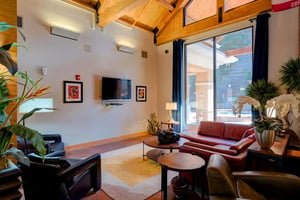
★4.3(1022)·Verified
Distance from city centre: 1 miles
Fully Equipped Kitchen | Sundeck
2 OffersUpto US$450 CashbackView all
- US$50 Exclusive Cashback when you book with House of Student.
- Refer your friends and get up to US$400 cashback and more!
From US$590/month
Private Room

★4.7(3)·Verified
Distance from city centre: 1 miles
Dishwasher | Microwave+4 more
2 OffersUpto US$450 CashbackView all
- US$50 Exclusive Cashback when you book with House of Student.
- Refer your friends and get up to US$400 cashback and more!
From US$950/month
Private Room
★3.2(20)·Verified
Distance from city centre: 1 miles
Fitness Center | Dishwasher+4 more
2 OffersUpto US$450 CashbackView all
- US$50 Exclusive Cashback when you book with House of Student.
- Refer your friends and get up to US$400 cashback and more!
From US$895/month
Private Room
★2.6(23)·Verified
Distance from city centre: 1 miles
2 OffersUpto US$450 CashbackView all
- US$50 Exclusive Cashback when you book with House of Student.
- Refer your friends and get up to US$400 cashback and more!
From US$625/month
Private Room
Trusted by students worldwide
2.5M+ Verified student rooms|190+ Countries served|100% Secured
Explore by 2+ Morgantown universities
Find housing near your university
★3.7(7)·Verified
Distance from city centre: 1 miles
2 OffersUpto US$450 CashbackView all
- US$50 Exclusive Cashback when you book with House of Student.
- Refer your friends and get up to US$400 cashback and more!
From US$795/month
Private Room
★4.0(505)·Verified
Distance from city centre: 1 miles
2 OffersUpto US$450 CashbackView all
- US$50 Exclusive Cashback when you book with House of Student.
- Refer your friends and get up to US$400 cashback and more!
From US$677/month
Private Room
★4.5(12)·Verified
Distance from city centre: 1 miles
2 OffersUpto US$450 CashbackView all
- US$50 Exclusive Cashback when you book with House of Student.
- Refer your friends and get up to US$400 cashback and more!
From US$575/month
Private Room
★3.3(22)·Verified
Distance from city centre: 1 miles
2 OffersUpto US$450 CashbackView all
- US$50 Exclusive Cashback when you book with House of Student.
- Refer your friends and get up to US$400 cashback and more!
From US$1,100/month
Private Room
No visa . No pay
•No place . No pay
•Book now . Pay rent later . Free cancellation
•No visa . No pay
•No place . No pay
•Book now . Pay rent later . Free cancellation
•